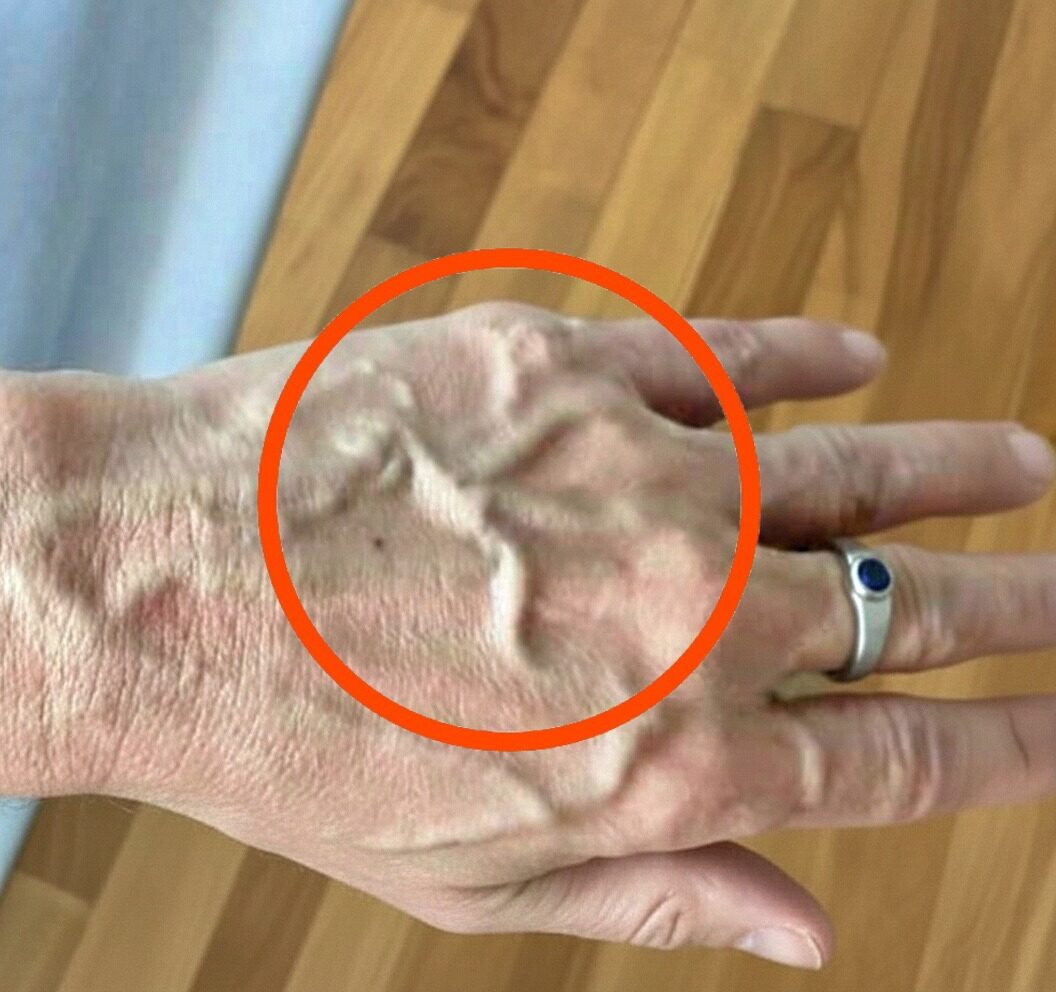
Understanding the Causes and Clinical Significance of Visible Veins
Many people notice that their veins have become more prominent at various points in their lives, often wondering if this change is a sign of a health issue. While visible veins are frequently harmless and the result of simple lifestyle or age-related changes, it is important to understand when they are merely cosmetic and when they warrant a medical consultation.
Several common factors contribute to veins becoming more visible. One of the most frequent causes is low body fat. As body fat levels decrease, particularly in the limbs or torso, the insulating layer of subcutaneous fat that typically masks veins becomes thinner, causing them to show through the skin more clearly. Physical activity also plays a significant role; exercise and weight lifting increase blood flow, causing veins to dilate and become more noticeable during a workout. Over time, consistent training builds muscle mass, which pushes veins closer to the surface of the skin.
Environmental and biological factors also influence vascular appearance. Hot weather causes veins to dilate as the body attempts to regulate temperature. Aging is another natural factor, as skin loses elasticity and thins over time, making underlying veins much easier to see. Additionally, hormonal fluctuations—such as those experienced during pregnancy, menopause, or through hormone replacement therapy—can affect blood vessels and circulation, sometimes leading to the sudden appearance of veins in new areas.
While these changes are often benign, there are specific warning signs that indicate a more serious underlying condition. If you notice a sudden appearance of veins without any associated lifestyle changes, such as new weight loss or exercise habits, it is advisable to investigate the cause, as this could indicate a circulatory issue.
Medical attention is necessary if visible veins are accompanied by pain, swelling, or localized warmth, as these can be symptoms of phlebitis or deep vein thrombosis (DVT), which is considered a medical emergency. You should also be aware of veins that feel hard or rope-like to the touch, as this may signal varicose veins or superficial thrombophlebitis. Changes to the skin surrounding the vein—such as discoloration, persistent itching, or the development of ulcers—can indicate chronic venous insufficiency, a condition where the heart struggles to circulate blood effectively, leading to pooling in the extremities. Though rare, the sudden appearance of vein patterns in the chest or abdomen, particularly if they appear in a web-like or radiating fashion, can sometimes be a sign of internal medical issues.
You should consult a healthcare professional if your veins appeared abruptly, if you experience secondary symptoms like leg cramps or chronic fatigue, or if the veins feel inflamed and warm. Ultimately, while most visible veins are a natural part of the aging process or a reaction to physical activity, staying informed about your health is key. When in doubt, a professional medical evaluation can offer necessary peace of mind or ensure that you receive early intervention if a condition requires treatment.