How to Prevent and Eliminate Slug Infestations in Your Home
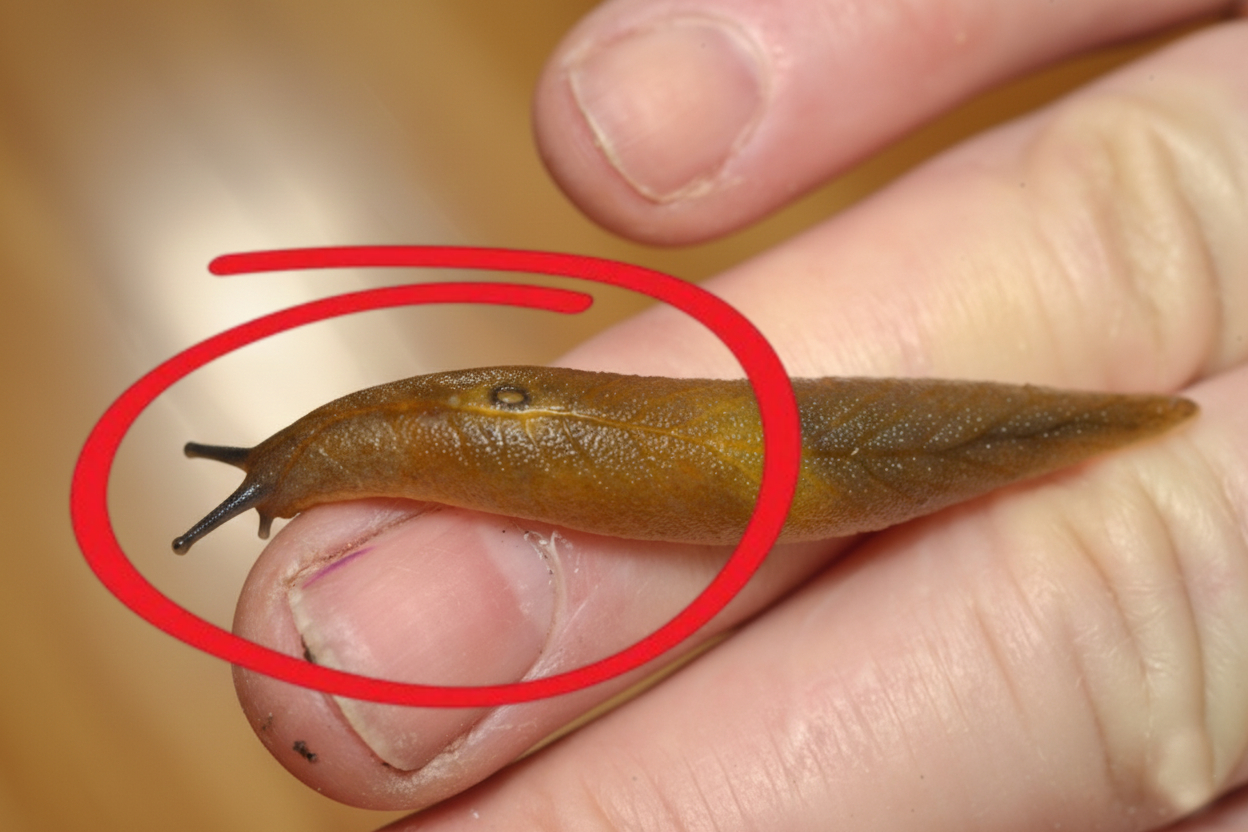
Finding slugs inside your home can be an unsettling experience. These creatures move silently, leave behind telltale slimy trails, and often emerge under the cover of darkness. While slugs are generally harmless, their presence inside your living space is rarely a random occurrence. If you notice them frequenting your home, it serves as a silent warning that your environment house may be harboring issues that require your immediate attention.
Excess moisture is the primary reason slugs enter a home. These mollusks thrive in damp, humid conditions. If you are spotting them indoors, it is a strong indicator that your home has hidden moisture problems. You should inspect areas under sinks for leaking pipes, check basements or crawl spaces for dampness, look for condensation around window frames, and monitor floors in bathrooms or laundry areas for persistent wetness. Even minor, unnoticed leaks create an ideal habitat for slugs. Furthermore, addressing this excess moisture is crucial because it can eventually lead to mold, mildew, and structural decay, which are far more significant concerns than the slugs themselves. To resolve this, fix leaks immediately, utilize a dehumidifier, and improve ventilation in consistently damp areas.
Slugs are persistent travelers that do not require large openings to infiltrate your home. Their soft bodies allow them to squeeze through incredibly tiny gaps, including spaces under doors, tears in window seals, or cracks in the foundation. They often enter through the gaps where utility pipes penetrate the walls. If you see slugs repeatedly, they have likely established a reliable entry point. You can secure your home by sealing these cracks with caulk, replacing worn weather stripping, and ensuring that all exterior doors close tightly.
Outdoor environmental conditions can also drive slugs toward your home. During periods of heavy rain, flooding, or extreme humidity, slugs often flee the outdoors to seek shelter inside. Situations that encourage this include overwatered plants placed directly against exterior walls, mulch piled too high against the foundation, dense vegetation touching the structure, or poor drainage systems around the property. Improving your garden drainage, pulling mulch away from the foundation, and trimming back plants so they do not make contact with your siding can significantly discourage migration.
Because slugs feed on organic matter, your indoor habits may inadvertently be inviting them in. Decomposing plant matter, fallen leaves, pet food left in bowls, or open trash containers can provide a feast for these creatures. Maintain a clean home by keeping floors swept, sealing food containers, storing compost bins away from the house, and clearing debris from your entryways.
Ultimately, you should view slugs as a natural indicator of an unbalanced home environment. They signify either excessive moisture, inadequate airflow, or overlooked maintenance. If you spot an occasional slug, it is usually just an isolated incident. However, repeated sightings warrant action. Rather than using harsh chemicals, remove slugs gently using gloves, use protective measures such as copper tape near thresholds, and focus on keeping your surfaces dry and clean. By addressing the root causes of moisture and structural gaps, you not only eliminate the slugs but also protect your home and your health from the long-term consequences of dampness and decay.