The Social Integration and Adjustment of Punch the Macaque
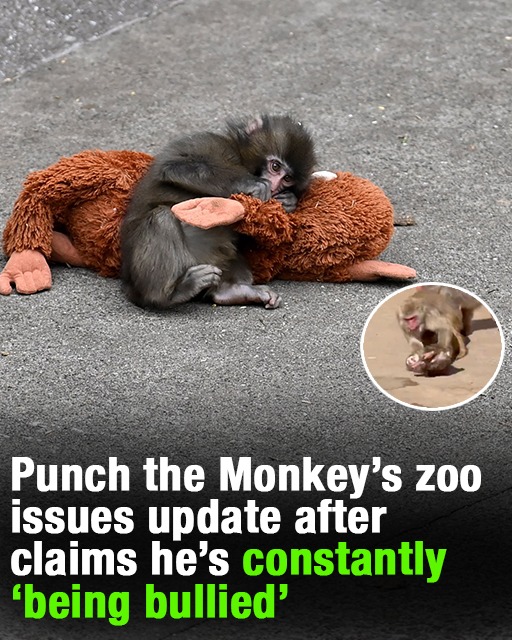
The plight of Punch, a baby macaque living at the Ichikawa City Zoological and Botanical Garden in Japan, has captured the attention of animal lovers across the globe. After footage surfaced showing the infant clinging to a stuffed animal for comfort, many viewers around the world became deeply concerned for his well-being. The story behind his attachment is a sad one, as zookeepers revealed that Punch was rejected by his mother shortly after his birth last July. Without anyone to provide warmth or protection, the lonely baby turned to a toy, which staff eventually recognized as a vital surrogate mother during his early development.
However, as footage began to emerge showing Punch attempting to interact with other monkeys in his troop, only to be dragged or scolded by adults, widespread accusations of bullying began to circulate online. The zoo has been forced to address these mounting concerns, asking the public to view the situation through the lens of animal behavior rather than human social norms. In a series of updates, officials explained that Japanese macaques operate within a very strict, hierarchical society. What concerned observers perceive as bullying is, according to the zoo, a series of disciplinary actions consistent with normal primate hierarchy.
The zoo staff addressed the viral videos showing Punch being roughly handled, clarifying that while he may be scolded often by elders, no individual monkey has shown the level of aggression that would constitute a threat to his survival. They have asked the public to support Punch’s social efforts rather than dwelling on pity, noting that he is increasingly integrating into the troop. In fact, a growing number of monkeys have begun to play with and look after him, which has even allowed the infant to spend more time away from his comfort toy.
Despite these assurances, the zoo acknowledges that the situation remains delicate. They did confirm that in early March, specific monkeys exhibiting particularly rough behavior were removed from the enclosure as a precaution. However, they firmly pushed back against the idea of separating Punch from his group permanently. The experts at the facility warn that removing him now could be irreversible, potentially branding him an outsider for the rest of his life and preventing him from ever successfully returning to the social structure of his peers.
Moving forward, the staff remains dedicated to monitoring his progress closely. They stated clearly that their priority is the health and integration of the troop, not catering to public sentiment or seeking to boost visitor numbers through artificial intervention. As Punch navigates the complex social world of his enclosure, the keepers continue to work hand-in-hand to ensure he develops into a healthy adult, firmly embedded in the community he calls home. They appreciate the outpouring of concern but remain confident that the young macaque is learning the difficult, essential lessons of life within his natural hierarchy.