Nutritional Strategies for Strengthening Aging Nails
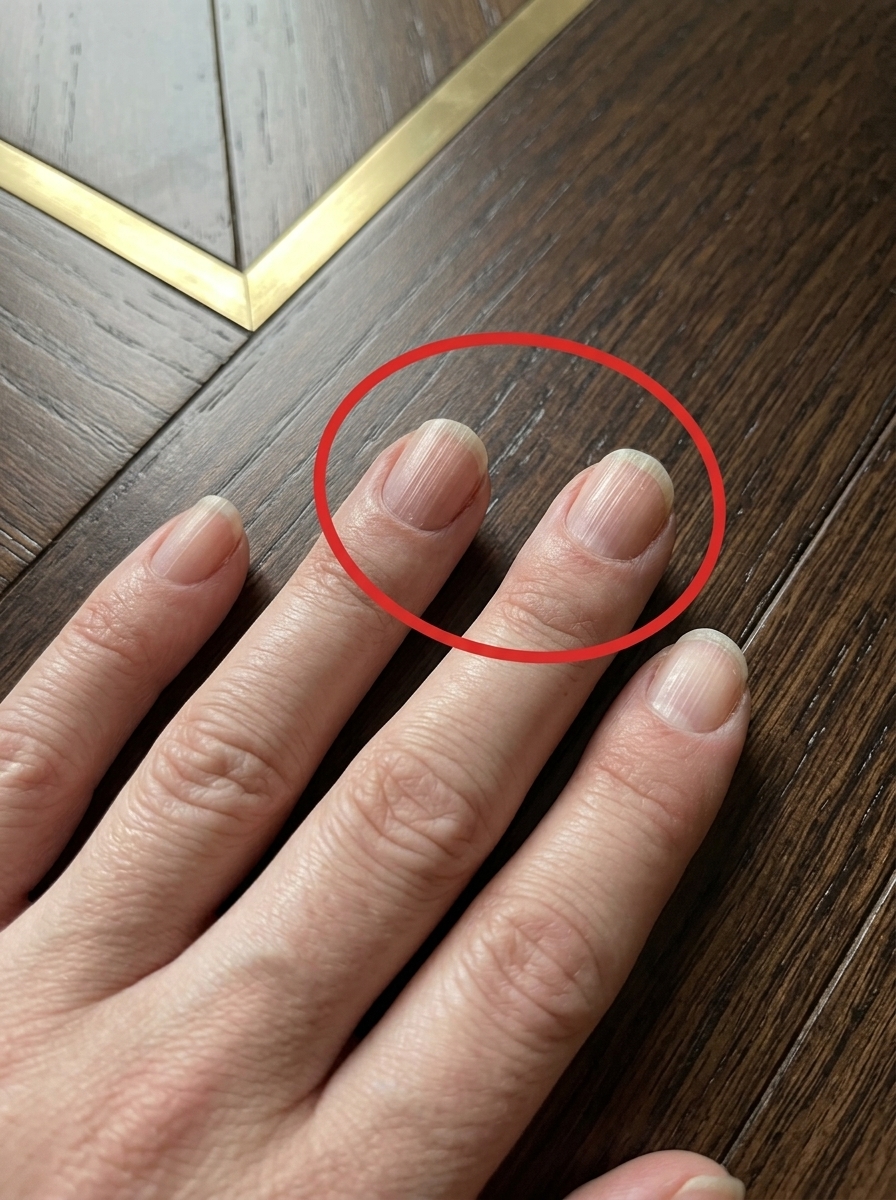
As we age, it is common to notice that our nails are becoming thinner, more brittle, or developing ridges and splits. After the age of 40, these changes are frequently linked to slower cell turnover, hormonal shifts, and reduced nutrient absorption. While nail aging is a natural process, your diet can make a significant difference. Consuming a nutrient-rich diet helps your body build stronger, healthier nails from the inside out.
Protein-Rich Foods: The Foundation of Strong Nails
Nails are composed primarily of keratin, a type of protein. As we hit our 40s and beyond, protein synthesis slows down, making adequate intake increasingly important. To maintain structural integrity, aim to include protein in every meal. Excellent sources include eggs, lean poultry, fish, Greek yogurt, and legumes like beans and lentils. Without enough protein, nails may grow slowly, peel easily, or become prone to breakage.
Biotin-Rich Foods: For Thickness and Resilience
Biotin, or vitamin B7, plays a critical role in keratin production. Low levels of biotin are commonly associated with brittle nails in aging adults. To help your nails feel thicker and less prone to splitting, incorporate foods such as egg yolks, almonds, walnuts, sweet potatoes, oats, and mushrooms into your regular rotation.
Iron-Rich Foods: Preventing Weakness and Discoloration
Iron deficiency occurs more frequently with age, particularly in women, and can lead to thin, spoon-shaped, or easily damaged nails. Incorporate iron-rich options like spinach, other dark leafy greens, lean red meat, lentils, chickpeas, and pumpkin seeds. Tip: Pair these foods with vitamin C, such as citrus or bell peppers, to significantly improve iron absorption.
Omega-3 Fatty Acids: For Flexibility and Moisture
Dry, cracking nails are often a symptom of insufficient healthy fats. Omega-3s help maintain nail flexibility and reduce dryness from the inside. Sources like salmon, sardines, chia seeds, flaxseeds, and walnuts are highly beneficial. Beyond nail health, these fats support skin and joint integrity, making them vital for overall health after 40.
Zinc-Rich Foods: For Growth and Repair
Zinc is essential for cell division and tissue repair. A deficiency can manifest as white spots on the nail, slow growth, and increased breakage. Even mild zinc deficiency can impact quality, so ensure regular intake through foods such as oysters, beef, pumpkin seeds, cashews, and whole grains.
Vitamin C Foods: For Nail Structure
Vitamin C is vital for collagen production, which supports the nail bed and the surrounding tissue. Consuming enough oranges, citrus fruits, strawberries, kiwi, bell peppers, and broccoli helps provide the structural support necessary to prevent nails from becoming weak or splitting at the edges.
Hydrating Foods: Preventing Brittleness
Dehydration is a common cause of dry and brittle nails. Because thirst signals may diminish slightly as we age, hydration must be intentional. In addition to drinking plenty of water, consume hydrating whole foods such as cucumbers, watermelon, zucchini, and nutrient-dense soups and broths to help maintain moisture and flexibility.
Final Thoughts
Attaining stronger nails after 40 is not about quick fixes, but about consistency. A balanced diet rich in protein, healthy fats, vitamins, and minerals can significantly improve nail strength, growth, and appearance over time. However, if you notice sudden or severe changes in your nails, or if they are accompanied by other symptoms like fatigue or hair loss, consult a healthcare provider. Nail health is often a small but meaningful reflection of your internal wellness.