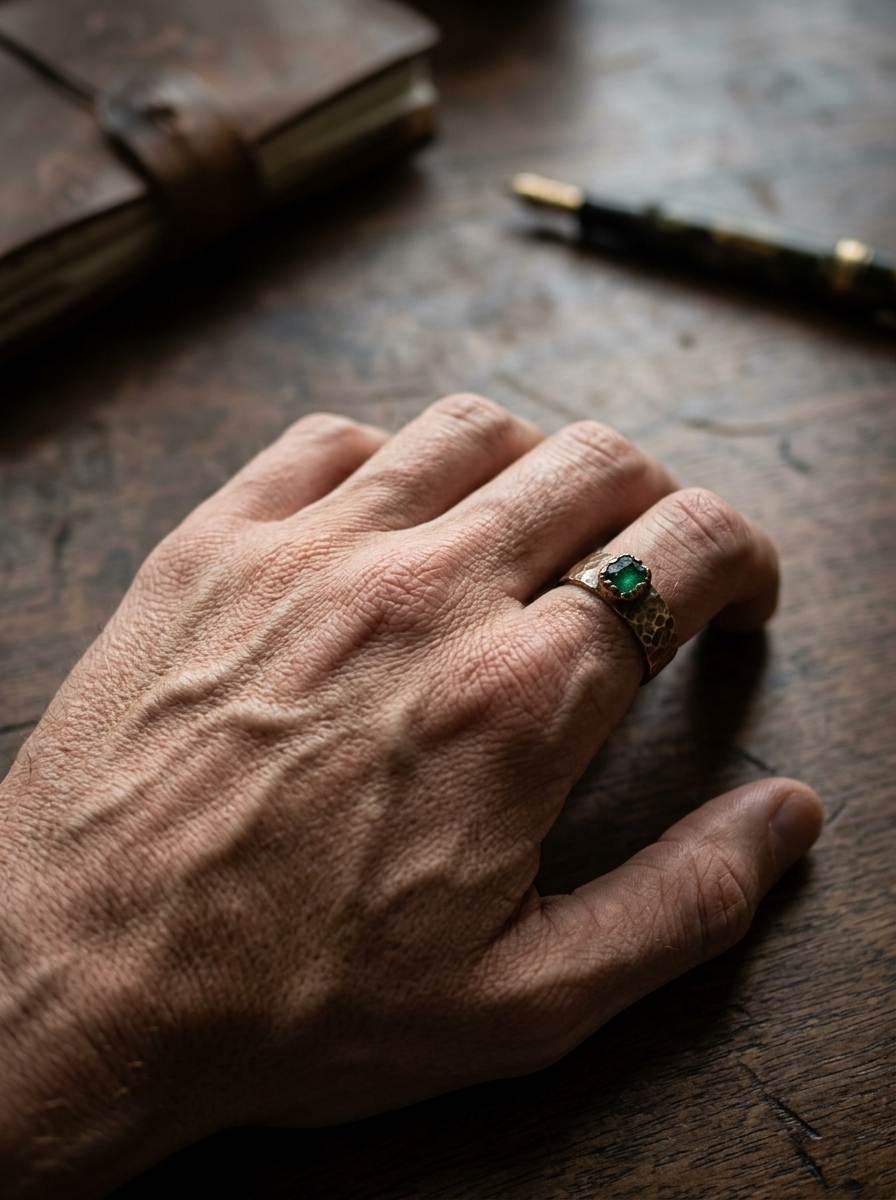
Understanding the Causes and Clinical Indicators of Prominent Veins
Visible veins are a common occurrence that often causes unnecessary alarm, yet understanding why they appear can help distinguish between normal physical changes and potential health issues. While prominent veins are frequently the result of harmless lifestyle factors or natural aging, they can occasionally signal an underlying medical condition that requires attention.
Several factors contribute to the sudden or gradual prominence of veins. One primary cause is a reduction in body fat. As body fat levels decrease, particularly in the limbs or torso, the subcutaneous fat layer that typically masks these vessels becomes thinner, rendering the veins more visible. Similarly, physical activity plays a significant role; exercise increases blood flow, causing veins to dilate and swell. Over time, regular strength training can lead to muscle growth that pushes these veins closer to the skin surface.
External and biological factors also contribute to this phenomenon. Hot weather naturally causes veins to dilate as the body attempts to regulate its temperature, making them appear more pronounced in the arms and legs. Aging is another factor, as skin gradually loses elasticity and thins, allowing the internal structures of the body to show through more clearly. Finally, hormonal shifts related to pregnancy, menopause, or medical hormone therapy can influence blood vessel behavior and circulation, occasionally resulting in the appearance of veins where none were previously visible.
While many cases of visible veins are entirely benign, certain warning signs warrant medical evaluation. If veins appear suddenly without any clear cause—such as weight loss, increased exercise, or heat exposure—it may indicate a circulatory problem. Medical attention is also necessary if the veins are accompanied by pain, swelling, or localized warmth, as these can be symptoms of phlebitis or deep vein thrombosis.
Individuals should also monitor the physical characteristics of the veins and surrounding skin. Veins that feel hard, rope-like, or twisted may suggest varicose veins or superficial clots. Changes in the skin texture, such as discoloration, persistent itching, or the formation of ulcers, could be signs of chronic venous insufficiency, a condition where the heart struggles to circulate blood effectively back from the legs. Furthermore, if prominent veins appear suddenly in the chest or abdomen area, often in a web-like pattern, this requires immediate professional examination, as it can sometimes be an indicator of more severe internal health issues.
Ultimately, most visible veins are simply a normal physiological response to changes in the body. However, if these changes occur without a clear reason, or if they are accompanied by symptoms like persistent leg cramps, swelling, fatigue, or inflammation, consulting a doctor is the most reliable way to ensure health and peace of mind. Professional guidance can help rule out serious conditions or allow for early intervention if treatment is necessary.