The Nutritional Benefits and Health Advantages of Cashew Consumption
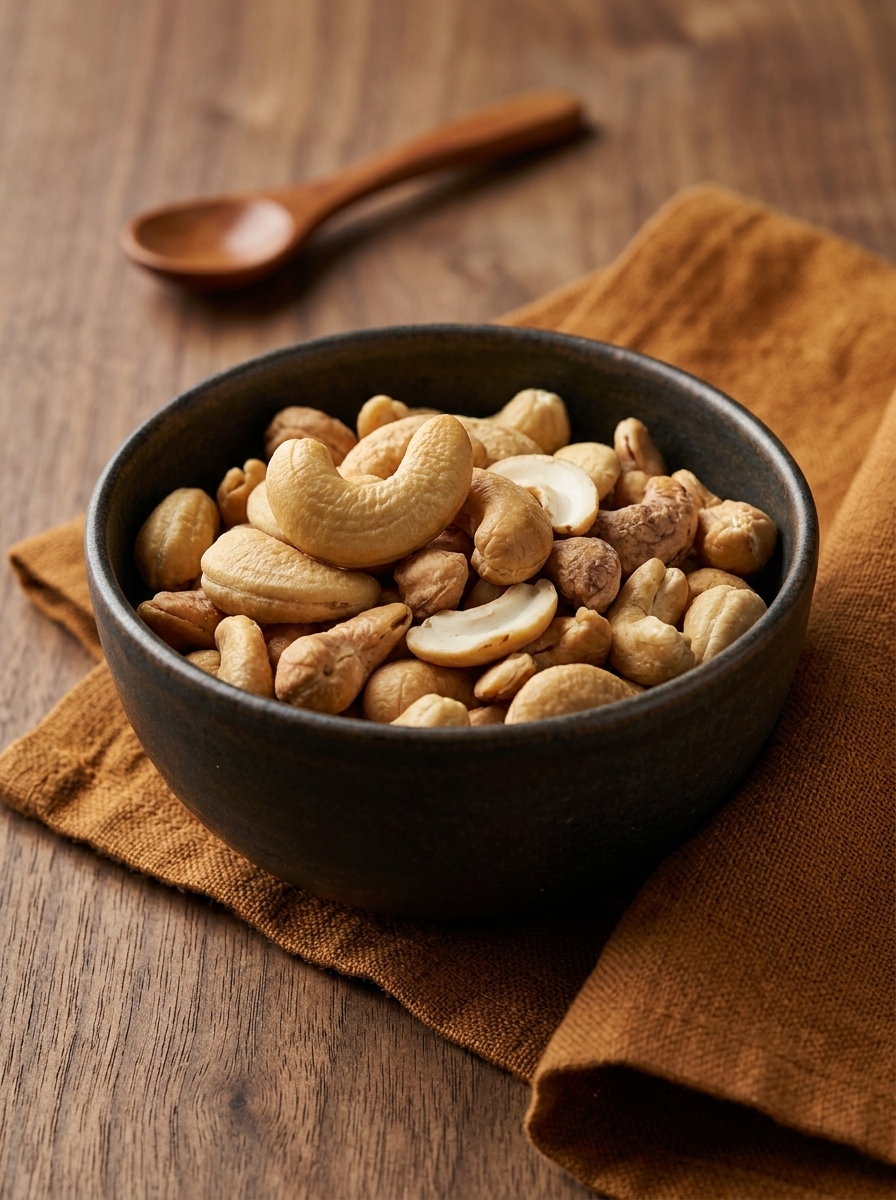
Cashews are widely recognized as not only a flavorful snack but also a nutrient-dense powerhouse that offers significant health benefits. Rich in essential minerals like magnesium, copper, and fiber, these versatile nuts can support everything from heart health to radiant skin. Whether you enjoy them raw, roasted, or as a creamy nut butter, integrating cashews into your daily diet is an effective way to nourish your body.
According to data from the United States Department of Agriculture, 100 grams of unroasted, unsalted cashews provide a significant profile of essential nutrients, including 553 calories, 18.2 grams of protein, 43.8 grams of healthy fats, and 30.2 grams of carbohydrates. They are also packed with vital minerals such as 292 milligrams of magnesium, 660 milligrams of potassium, 593 milligrams of phosphorus, and 5.78 milligrams of zinc, alongside important trace elements like copper, iron, and selenium.
There are seven primary ways that regular cashew consumption can enhance your health.
First, cashews can contribute to improved heart health. Research published in the Journal of Nutrition suggests that including these nuts in your diet may assist in raising beneficial HDL cholesterol levels while helping to manage blood pressure. While some subsequent reviews have shown mixed results regarding their specific impact on overall cholesterol ratios, current evidence consistently highlights their general role in supporting cardiovascular wellness.
Second, cashews are a weight-management-friendly snack. Despite being relatively calorie-dense, their high protein and fiber content promote a greater sense of satiety. This helps to regulate appetite and reduce the likelihood of overeating throughout the day.
Third, the high magnesium content in cashews is essential for maintaining musculoskeletal health. Magnesium is critical for muscle contraction and relaxation, as well as for preserving bone mineral density. Regular intake can be particularly beneficial for those looking to prevent age-related bone density loss.
Fourth, cashews may aid in diabetes prevention. The fiber found in these nuts slows the absorption of glucose into the bloodstream, which helps prevent rapid blood sugar spikes. Consistent consumption, combined with the presence of healthy fats and antioxidants, can assist in stabilizing metabolic health.
Fifth, cashews promote healthier skin. They contain vitamin E and zinc, which work to protect the skin from oxidative damage caused by free radicals. Vitamin E helps maintain elasticity and wards off premature aging, while zinc is essential for skin regeneration and effective wound healing.
Sixth, cashews are excellent for vision. They are a rich source of lutein and zeaxanthin, two antioxidants that serve as protective shields for the retina. These compounds help filter harmful blue light and reduce the risk of developing cataracts or age-related macular degeneration.
Finally, cashews support a healthy digestive system. The fiber content plays a fundamental role in maintaining regular bowel movements and supporting the development of beneficial gut bacteria. A thriving gut microbiome is essential, as it influences everything from immune system performance to mood regulation and weight management.