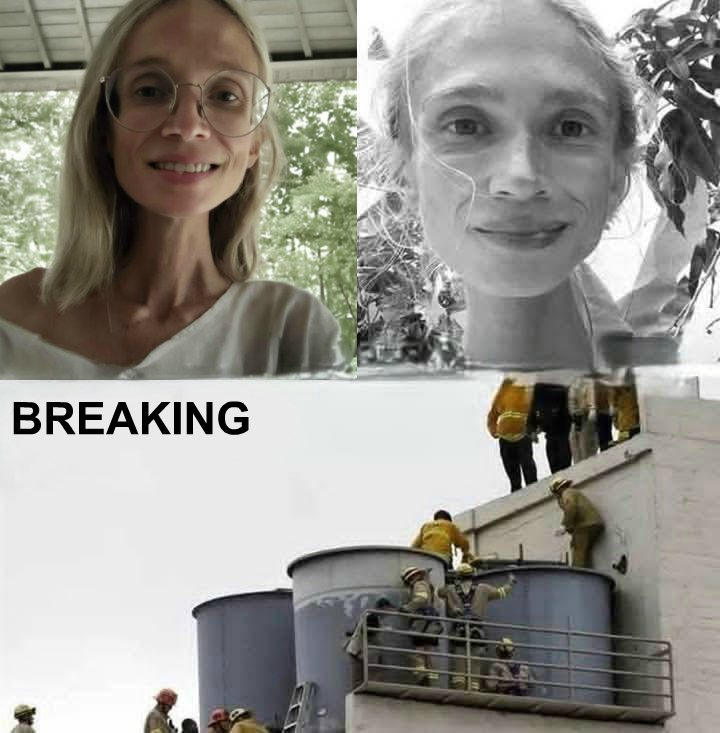
The Illusion of Control
It began with a simple promise: to feel stronger, lighter, and more alive. For a twenty-seven-year-old woman, the desire to be well felt noble and brave. Fueled by sheer willpower and an influx of glowing online advice, she embarked on a journey she believed led to optimal health, never imagining where it might ultimately lead.
She was not chasing conventional beauty or external approval. She sought energy, mental clarity, and a sense of control. Her digital world was filled with radiant influencers and perfect meals, convincing her that rigorous discipline was synonymous with wellness and that constant effort would inevitably lead to a higher state of being.
She soon traded personal comfort for strict rules. Food was reduced to numbers, and every meal became a high-stakes decision to either pass or fail. As her frame shrank, the compliments rolled in, reinforcing the dangerous belief that her sacrifice was synonymous with progress. She smiled through it, unaware that her body was quietly struggling to survive beneath the surface.
Initially, the changes felt positive. She experienced a fleeting sense of lightness and sharpness, even euphoria. She reframed her hunger as strength and her exhaustion as proof of her unwavering commitment. She learned to dismiss every warning sign as a weakness—an obstacle to be overcome rather than a message to be understood.
Subtle signals soon turned into alarming symptoms. Lingering fatigue became constant, and bouts of dizziness became frequent. Her heart would race when it should have been resting. Yet, she continued to push forward, trusting the rigid plans and online promises over the quiet, desperate signals her body was sending.
Her friends admired her dedication, and no one dared to question the cost. In a culture that frequently celebrates extremes, her extreme restraint was mistaken for success. To her, slowing down felt like failure, and practicing self-care felt like giving up.
However, the body inevitably keeps its own score. Deprived of basic nourishment and care, it began to falter. What had started as a pursuit of vitality gradually transformed into a narrowing world, where health was measured exclusively by control rather than by balance, kindness, or sustenance.
Her story is not one of blame, but one of caution. The pursuit of well-being should never demand silence, suffering, or self-harm. True health is not a form of punishment; it is the act of listening to oneself, providing proper nourishment, and consistently choosing genuine care over the hollow pursuit of perfection.