Understanding the Evolutionary and Biological Functions of Ear Hair
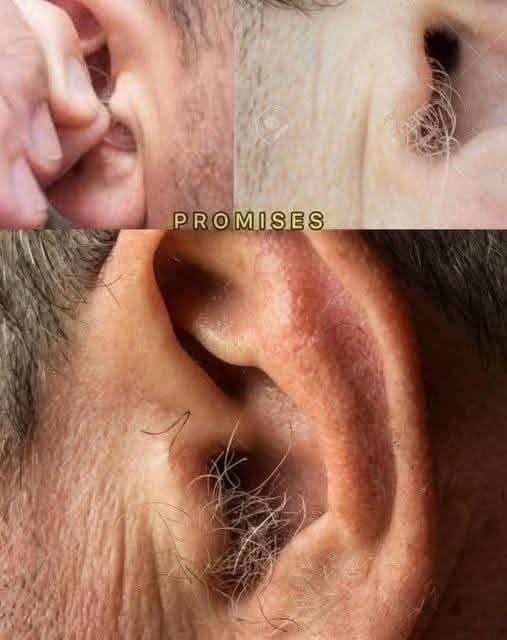
Most people are genuinely surprised the first time they notice visible hair growing on or inside their ears. While it may seem unusual, ear hair is a perfectly normal biological trait. The human body is almost entirely covered in hair, with the only exceptions being the palms of the hands, the soles of the feet, and the lips. Like all body hair, ear hair serves specific purposes, though it often becomes more prominent as a person ages.
Ear hair exists both on the visible outer ear and within the ear canal. There are three primary reasons why humans possess this hair. First, it serves a protective function: hair located inside the ear canal works in tandem with earwax to trap dust, dirt, and debris, preventing these particles from reaching and potentially damaging the eardrum. Second, it performs a vital sensory function. Deep within the inner ear, specialized, microscopic hair-like cells assist in detecting fluid movement, which is essential for both hearing and maintaining physical balance. Finally, much of our surface body hair is considered an evolutionary remnant—a trait that has diminished in functional importance over time but continues to persist.
Before birth, humans develop a fine, soft coating of hair known as lanugo, which covers the entire body, including the ears. While this hair typically sheds before birth, the hair that develops later in life is influenced by genetics and hormonal changes.
As individuals age, hair follicles in the ears can become more sensitive to hormones, leading to longer, thicker, or more noticeable growth. This is particularly common in men, though women may also experience changes in hair growth patterns over time. While ear hair is generally harmless, some people choose to remove it for aesthetic reasons. It is important to approach removal safely to avoid damaging the sensitive skin of the ear or impacting hearing. Trimming with specialized ear hair trimmers or small scissors is generally considered the safest method. It is strongly advised to avoid inserting hair removal creams or sharp manual tools deep into the ear canal, as these can cause irritation, infection, or injury to the eardrum. If you notice a sudden, significant increase in hair growth or any accompanying symptoms like itching or pain, it is always a good idea to consult a medical professional to ensure there are no underlying health concerns.