The Price of Inheritance
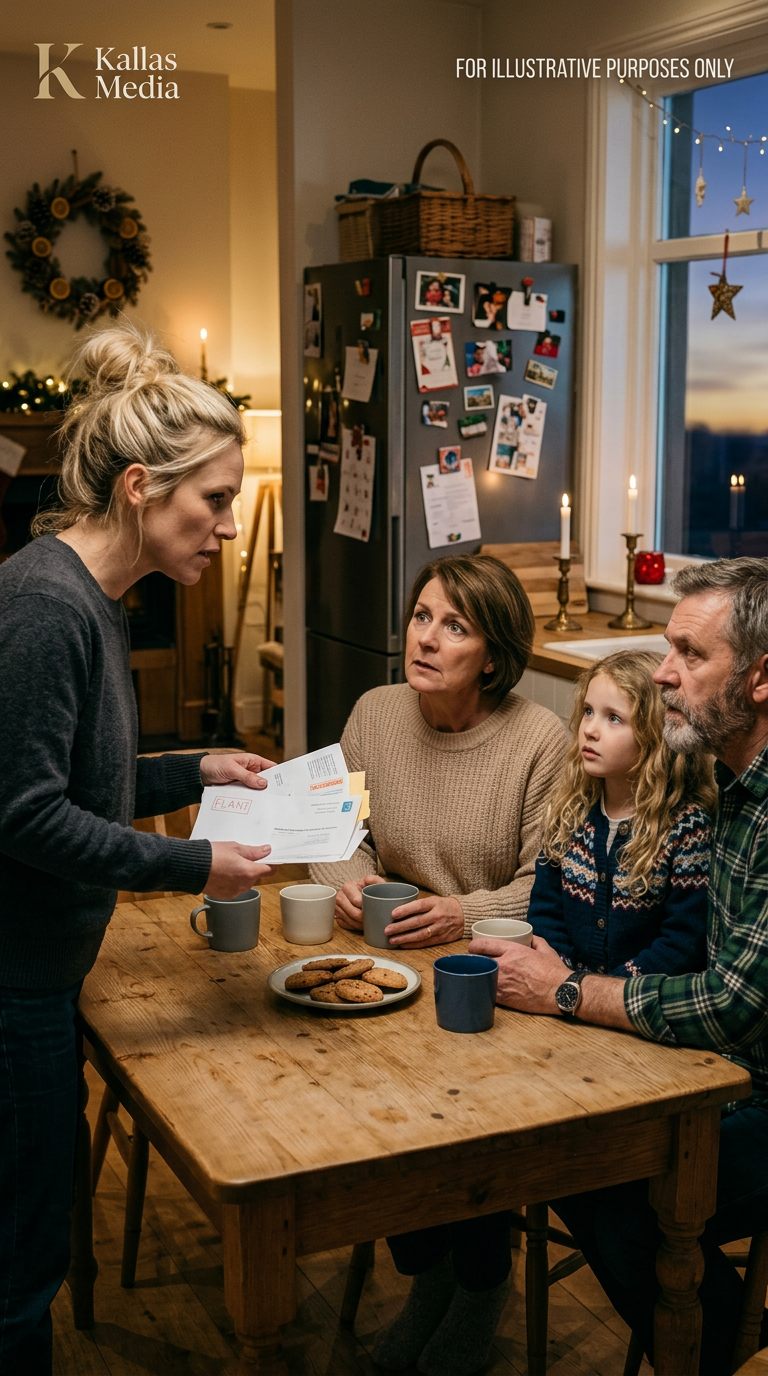
The lottery office employee did not actually call me, but the automated check of the winning numbers online revealed the truth. I had hit the jackpot, and the total winnings after taxes amounted to two and a half million dollars. When I walked back into that kitchen, the air felt different. I told them the news, and instead of joy, a cold, calculated silence descended over the room.
My sister, who had never worked a day in her life, spoke first. She looked at our parents and stated that since the ticket was intended for the family that Christmas, the money rightfully belonged to her. My mother immediately backed her up, looking at me with a mixture of resentment and expectation. She told me that it was only fair that I hand over the entire sum to my sister so that she could start her life properly, as if my years of sacrifice were nothing more than a prelude to funding her comfort. My father did not speak, but his nod toward the doorway made his stance clear. He told me that if I was going to be selfish with the blessings of this family, I no longer had a place among them.
I stood in that familiar kitchen, the very place where I had cultivated the skills that had defined my adulthood, and realized that my parents were not looking at their child. They were looking at an asset. I looked at the three of them, these people who had spent my entire life teaching me that I was an afterthought, and I felt a strange, sudden sense of liberation. I told them that they were right about one thing. I did not belong there.
I packed a single bag that night, took my documents, and left. I did not give them a single cent. The next day, I didn’t head for the suburbs or back to the restaurant. Instead, I went to a local real estate office and looked for a commercial space downtown with an old, stained industrial floor and a brick wall that needed work. It was the space I had been sketching in my notebook for years.
The fallout was predictable. My father called me repeatedly, alternating between threats and soft, manipulative pleas, while my mother sent messages about family loyalty. I blocked every single one of them. I used the money to build the restaurant I had always dreamed of, a place where people actually notice when the food is cooked with heart. I named the restaurant after my grandmother, the only person who had ever truly seen me for who I was.
Months later, I heard through an old neighbor that the house on the cul-de-sac was being put up for sale. My parents had struggled to maintain the lifestyle they expected my sister to have, and without the infusion of my jackpot, the reality of their finances had finally caught up with them. They were bitter, isolated, and increasingly desperate.
Opening that restaurant was the hardest thing I ever did, but every time I walk into the dining room and see the tables full of people who enjoy what I have created, I don’t feel like the child who was told to do the chores or the one shoved aside for the new car. I feel like a success. The money didn’t change who I was, but it did provide the distance I needed to see that family is defined by support and mutual respect, not by blood or obligation. I finally stopped trying to earn my place at a table that was never meant for me, and in doing so, I built a much better one of my own.