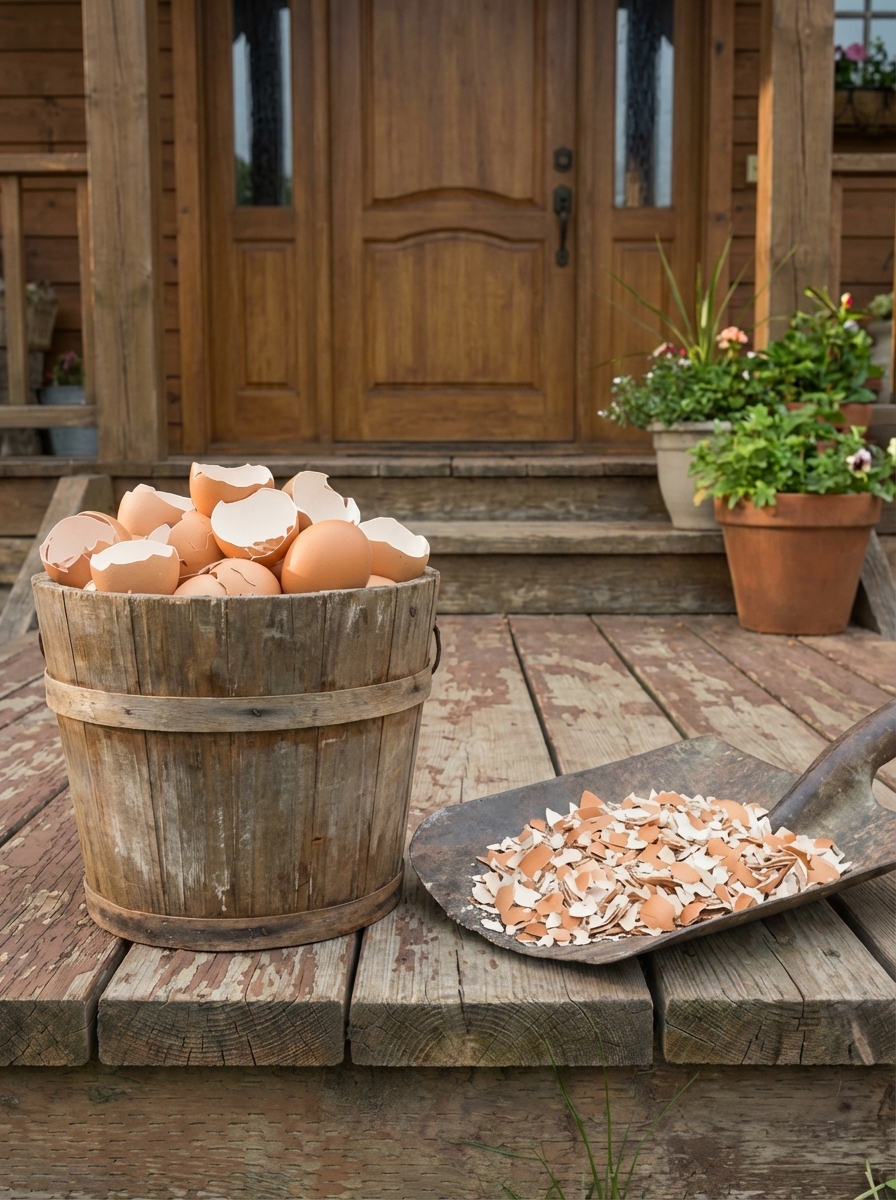
The Surprising Benefits of Recycled Eggshell Water
Every morning, millions of people discard eggshells without a second thought. Once an egg is cracked and prepared, the shell is typically viewed as nothing more than kitchen waste. However, this fragile byproduct possesses surprising utility, and a simple technique involving boiling water can transform it into a valuable household resource. While this practice may seem simplistic, it is a time-honored trick currently seeing a resurgence in popularity due to its effectiveness and sustainability.
Eggshells are composed of nearly 90 percent calcium carbonate, the same fundamental compound found in agricultural lime and various commercial soil treatments. Beyond calcium, they are packed with trace minerals such as magnesium, potassium, and phosphorus. When eggshells are boiled, these essential minerals leach into the water, resulting in a natural, mineral-rich solution that can be utilized to address common household and gardening challenges. By disposing of these shells, many people are inadvertently throwing away a free, nutrient-dense resource.
One of the most significant issues faced by both indoor and outdoor gardeners is calcium deficiency in the soil. This lack of nutrients often manifests in weak plant stems, yellowing foliage, poor development, and the dreaded blossom end rot in tomatoes. While commercial fertilizers claim to solve these problems, they can be costly, aggressive, or chemically laden. Boiled eggshell water provides a gentle, effective alternative. The heat from the boiling process breaks down the shell structure, releasing calcium into the liquid to create what gardeners often refer to as eggshell tea. Once this mixture has cooled, it can be poured onto soil to fortify plant cell walls and support root development, providing a cost-free boost to garden health.
The benefits of this practice extend beyond simple plant care. Because eggshells are natural odor absorbers, boiling them can assist in neutralizing smells when the shells are added to compost or used in kitchens. Furthermore, the calcium content helps balance overly acidic compost piles, which in turn accelerates the decomposition process. Crushed boiled eggshells also function as an eco-friendly abrasive, perfect for scrubbing away stubborn residue from pots and pans without the need for harsh chemical cleaners.
Preparing eggshell water is an easy routine. First, rinse the shells to remove any lingering egg residue. Place the clean shells into a pot of water and bring them to a boil for five to ten minutes. Once the boiling is complete, allow the water to cool entirely. Finally, strain the liquid to remove the shells and store it for immediate use, ideally within a day or two.
Adopting this habit is about more than just saving money or reducing waste; it serves as a reminder that practical, sustainable solutions often already exist within our own homes. In an era where consumers are frequently encouraged to purchase specialized products to solve every minor issue, the act of recycling eggshells connects modern households with the resourcefulness of previous generations. The next time you prepare breakfast, consider setting those shells aside. That single, simple change can provide a powerful, natural tool for a greener home and a healthier garden.