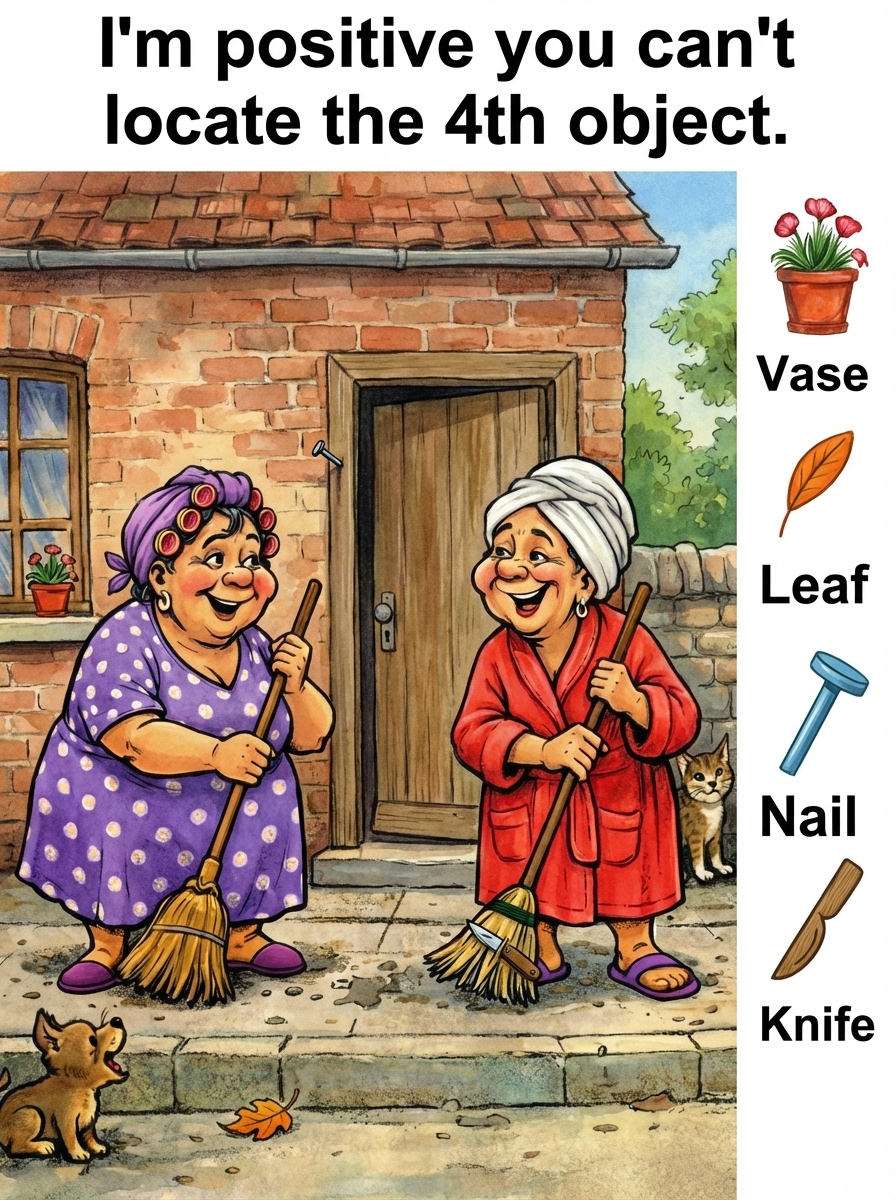
The Revitalizing Power of Community Connection
In a world that moves at an unrelenting pace, where attention is frequently fractured by digital distractions, professional demands, and personal anxieties, one simple yet profound aspect of life is quietly fading into the background: the art of connecting with our neighbors. Despite the digital age, the act of exchanging a few words, sharing a genuine smile, or engaging in a brief conversation with those who live nearby remains a transformative experience, capable of making our daily existence feel significantly warmer and more human.
Neighbors are far more than just the people who happen to occupy the units or houses adjacent to our own. They are an intrinsic part of our environment, our daily rhythm, and often our personal history. They are the faces we see most consistently, even if we do not know them intimately. A polite greeting in the stairwell, a brief wave from a balcony, or a casual exchange outside our front door may seem insignificant in isolation, but these small gestures collectively build a vital sense of closeness and security. Engaging in these interactions helps dismantle the walls of loneliness and fosters a grounding feeling of being surrounded by a community.
The pleasure found in these neighborly conversations is often marked by its authenticity. These interactions are frequently spontaneous, natural, and sincere. Whether the subject is the local weather, neighborhood happenings, family developments, or simple reflections on life, the conversation does not need to be philosophical to be meaningful. These interactions provide a sense of lightness and human warmth that is difficult to replicate through other social channels.
As neighbors begin to communicate, trust organically develops. We naturally feel greater security in environments where people are familiar with and respectful of one another. The knowledge that there is a nearby individual who can be relied upon in a moment of need provides an immense sense of peace. This burgeoning trust is what converts a collection of houses or a single apartment building into a genuine community.
Furthermore, neighbors—particularly those with the longest tenures in an area—act as the custodians of local memory. They possess the history of the neighborhood, remembering how the streets have transformed and reflecting on the families that have grown up side-by-side. Engaging with these individuals allows for the sharing of stories and the preservation of a collective heritage, which provides the neighborhood with its unique soul.
For children, a neighborhood where adults maintain positive relationships provides a far safer and more reassuring environment. By observing their parents and neighbors interacting, helping one another, and demonstrating mutual respect, children absorb essential social values. This models a template for civic participation and kindness that will serve them for the rest of their lives.
Shared instances—a casual cup of coffee, a chat at the doorstep, or an unexpected encounter in a shared garden—create the subtle glue that holds a neighborhood together. It does not require grand events to build these bonds; a single, sincere conversation can be sufficient to foster a friendly atmosphere. This foundation of connection naturally leads to mutual aid. Solidarity in times of illness, hardship, or daily difficulty is a valuable resource that is often overlooked in contemporary society, yet it remains one of the most effective ways to combat social isolation.
In both sprawling cities and quiet villages, isolation has emerged as a significant modern challenge. A daily conversation, however short, can make an immense difference for the elderly, those living alone, or anyone navigating a difficult season in their life. Moreover, because neighbors come from diverse backgrounds with varying cultures, habits, and viewpoints, engaging with them creates a practical lesson in tolerance and respect. Open communication encourages empathy and helps resolve friction at a local level before it can escalate, fostering a peaceful environment.
Ultimately, a physical structure only truly becomes a home when it is supported by human relationships. Neighbors serve a critical role in developing our sense of belonging. A neighborhood where residents speak to one another is vibrant, welcoming, and serene. It transforms a place from a mere destination into a community where one desires to stay.
In an era that is paradoxically more connected than ever but frequently feels distant, the simple, traditional conversation with a neighbor remains one of our most accessible daily treasures. Choosing to prioritize these interactions is a decision to embrace kindness, closeness, and the enduring strength of the human community.