The Grandmother as the Heart of Neighborhood Connection
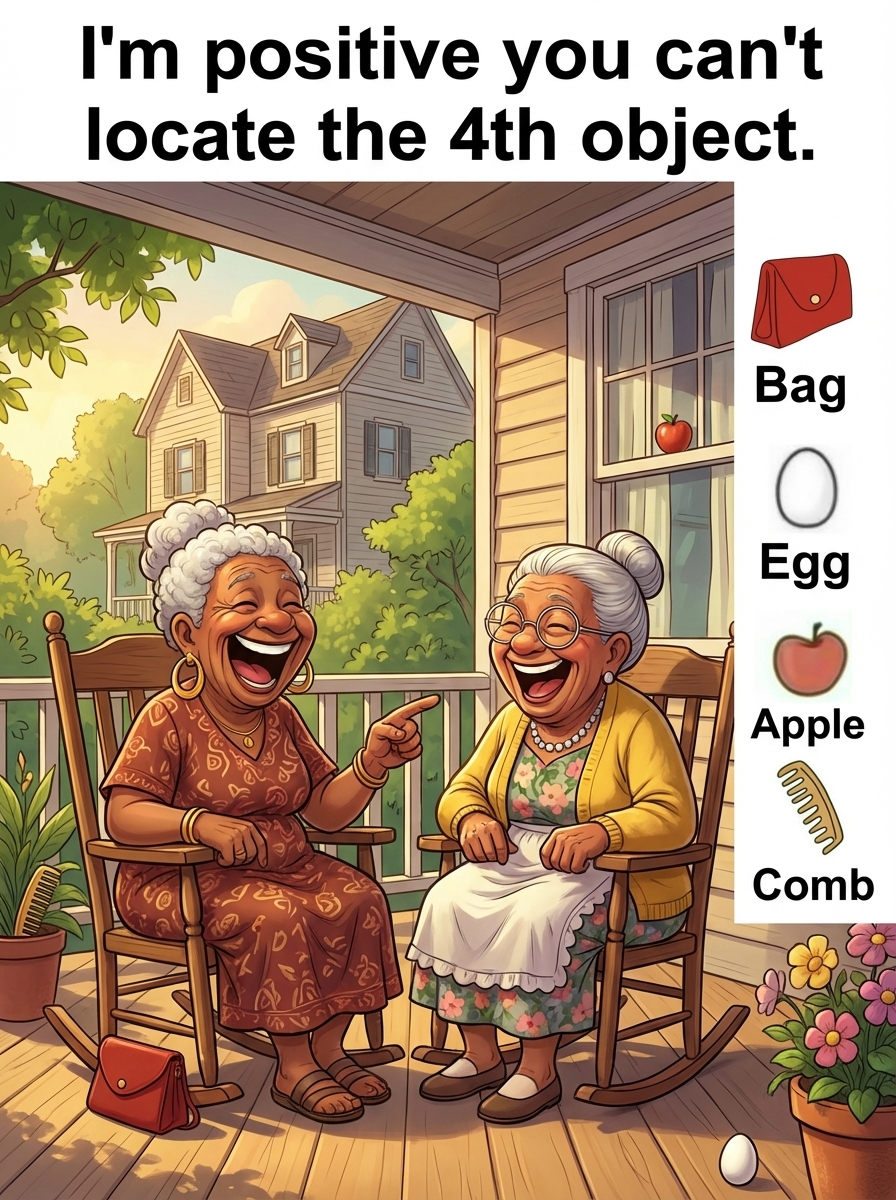
In almost every neighborhood and residential building, there is a familiar figure. She is someone who never goes unnoticed, even when she makes no effort to stand out. She stops to chat, offers a warm smile, inquires about how others are doing, and often holds more stories than anyone else in the community. This person is the grandmother.
Grandmothers possess a special gift: the ability to foster genuine connection through conversation. When they speak with neighbors, it is rarely out of idle curiosity, but rather from a profound, human need for presence and shared experience.
For many, these daily chats serve as a vital lifeline against loneliness. A simple greeting or a genuine question about someone’s well-being can brighten an entire day. Through these exchanges, a grandmother is reminded that she is seen, heard, and valued. She is not an invisible observer but an active, integral member of her environment.
Over time, this social habit transforms neighbors into an extended family. A grandmother often knows exactly who lives behind each door, who is navigating a difficult season of life, and who is in need of a kind word. She remembers birthdays, life transitions, and the small, meaningful milestones of those around her. Because of this, the neighborhood becomes warmer, more human, and significantly more alive.
This role as a bridge between generations is profound. Grandmothers engage with children, adults, and peers alike, unfazed by age gaps. By talking with younger neighbors, they stay anchored to the present, and by connecting with those of their own generation, they keep memories and mutual understanding alive. These interactions foster a culture of respect that transcends age.
While many of these conversations center on everyday matters like the local market, the weather, or minor concerns, the underlying intent is far more significant. These exchanges serve as a constant reminder that no one is truly alone and that every voice in the community matters.
Furthermore, it is a misconception that grandmothers only speak; they are equally skilled at listening. They provide a rare, non-judgmental ear, often offering gentle advice or simple comfort. For a neighbor going through a hard time, this attentive presence can be a deep source of relief. This is where their hard-won wisdom shines—they share stories of how they overcame their own hardships, reminding others that even the most difficult moments eventually pass.
A grandmother’s presence provides a sense of stability and reassurance. She notices, she observes, and she cares. In a world that often moves too fast, grandmothers offer the gift of time. They are not in a rush, understanding that meaningful connection requires patience and availability.
In modern society, these neighborly traditions are beginning to fade, yet grandmothers work to keep them alive. They remind us of the simple but essential importance of saying hello and taking a moment to connect. They teach us that human communication should never be replaced by silence or isolation. These grandmothers are more than just conversationalists; they are the quiet pillars of community life, transforming our neighborhoods into places of shared humanity, solidarity, and warmth. To engage with them is to preserve a precious and irreplaceable part of our collective social fabric.