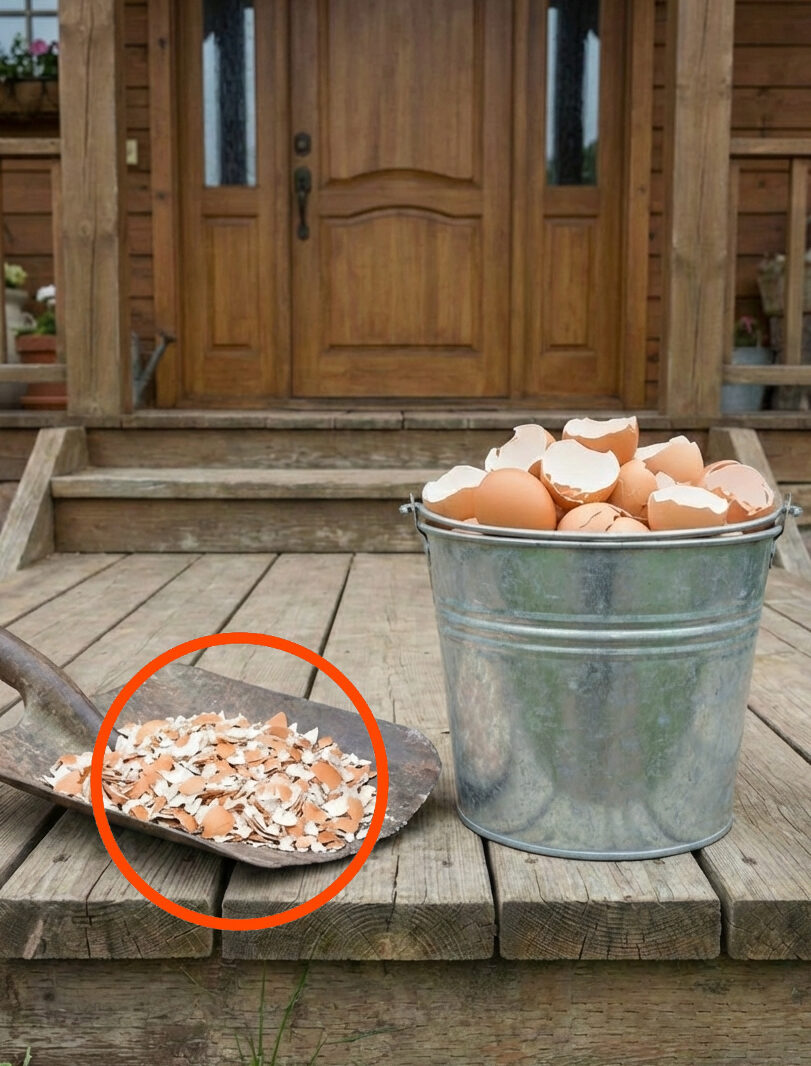
Transforming Kitchen Waste into Nutrient-Rich Eggshell Water
Most people toss eggshells into the trash every morning without a second thought. Once the egg is cracked and cooked, the shell is usually viewed as nothing more than kitchen waste. However, there is an old-fashioned, simple trick involving nothing more than boiling water that turns these fragile shells into a valuable household resource.
Eggshells are composed of nearly 90 percent calcium carbonate, which is the same compound used in commercial fertilizers and agricultural lime. They also contain essential trace minerals, including magnesium, potassium, and phosphorus. When eggshells are boiled, these minerals leach into the water, creating a natural, nutrient-dense solution that can be utilized in several practical ways throughout the home.
The most common issue this solution effectively addresses is calcium deficiency in soil, a problem frequently faced by both indoor and outdoor gardeners. This deficiency often manifests as weak stems, yellowing leaves, blossom end rot in tomatoes, and stunted growth. While commercial fertilizers are available, they can be costly or chemical-heavy. Boiled eggshell water, often called eggshell tea, acts as a gentle, cost-free alternative. As the heat of the boiling water breaks down the shell structure, it releases calcium into the liquid. Once the water has cooled and been strained, it can be poured directly onto the soil to strengthen plant cell walls, support better root development, and improve overall plant health.
Beyond gardening, this method serves other sustainable functions. Because eggshells naturally absorb odors, boiling them can assist in neutralizing acidic compost, which helps the decomposition process. Furthermore, the shells themselves, once boiled, can be crushed and used as a gentle, eco-friendly abrasive to scrub stubborn residue off pots and pans, reducing the need for harsh chemical cleaners.
Preparing eggshell water is an easy process. Start by rinsing the shells to remove any raw residue, then place them in a pot of water and boil for five to ten minutes. After the water has cooled completely, strain out the shells and reserve the liquid. For the best results, the water should be used within a day or two.
Adopting this habit is more than just a convenient hack; it is a way to reduce kitchen waste and decrease reliance on store-bought products. In an age where we are constantly told to purchase new solutions for every minor issue, choosing to recycle eggshells is a reminder that effective answers are often already sitting in our kitchens. Next time you prepare eggs, consider saving the shells; that simple shift in routine could provide the garden or household solution you have been looking for.