The Ancient Art of Sustainable Maple Sugaring
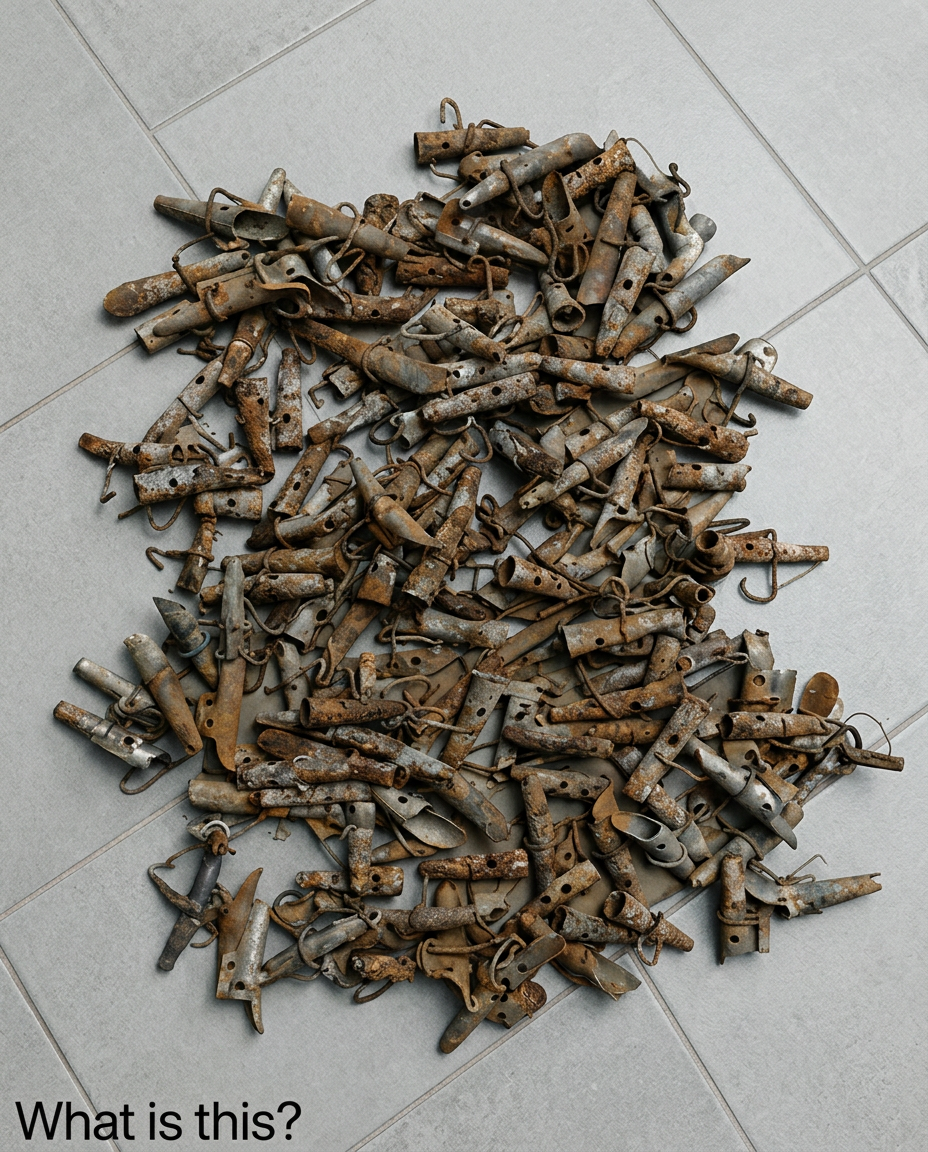
While exploring the attic of a newly purchased home, one might stumble upon a collection of curious metal objects that look nothing like standard hardware. These items are known as maple taps, or spiles, and their presence hints at a long-standing tradition of harvesting nature’s own sweetness.
These tools serve a singular, clever purpose: they create a narrow channel into the sapwood of a maple tree, allowing clear, slightly sweet sap to flow out into a waiting gathering bucket. It is important to note that this raw liquid is not yet the thick syrup found on breakfast tables, as it consists primarily of water, but it holds the essential foundation for the final product.
The entire process relies on the rhythmic transition between freezing nights and warming days. Cold temperatures reset the internal pressure of the tree, while the subsequent warmth triggers the upward movement of sap. The spile simply acts as a conduit, borrowing a small fraction of this natural flow. When the process is managed correctly—using clean tools, drilling the appropriate hole size, and exercising restraint by limiting the number of taps per tree—it does no lasting harm. The tree is capable of recovering each year, naturally sealing the wound as it continues to grow. Ultimately, responsible tapping transforms a simple incision in the bark into a sustainable, renewable exchange where the tree provides its gift, and in return, the harvester provides the care necessary to ensure the tree remains healthy for seasons to come.