Understanding Wrist Lumps: Causes and Characteristics
Discovering an unfamiliar lump on your wrist can be a deeply unsettling experience. When a new growth appears without warning, it is perfectly natural to worry about what it might signify for your health. While it is easy to fear the worst, the most effective approach is to remain calm and gather accurate information about the potential causes. A variety of conditions can lead to a wrist lump, ranging from harmless cysts to more serious medical concerns.
A lump that seems to appear overnight is particularly alarming due to the speed of its onset. Rapid physical changes can point to inflammation or fluid buildup, which may signal an underlying issue. Lumps differ in size, firmness, and color, and each feature provides important clues. A firm, solid mass suggests a different scenario than a soft, fluid-filled swelling. Recognizing these distinctions is the first step in determining whether the situation requires an immediate medical consultation.
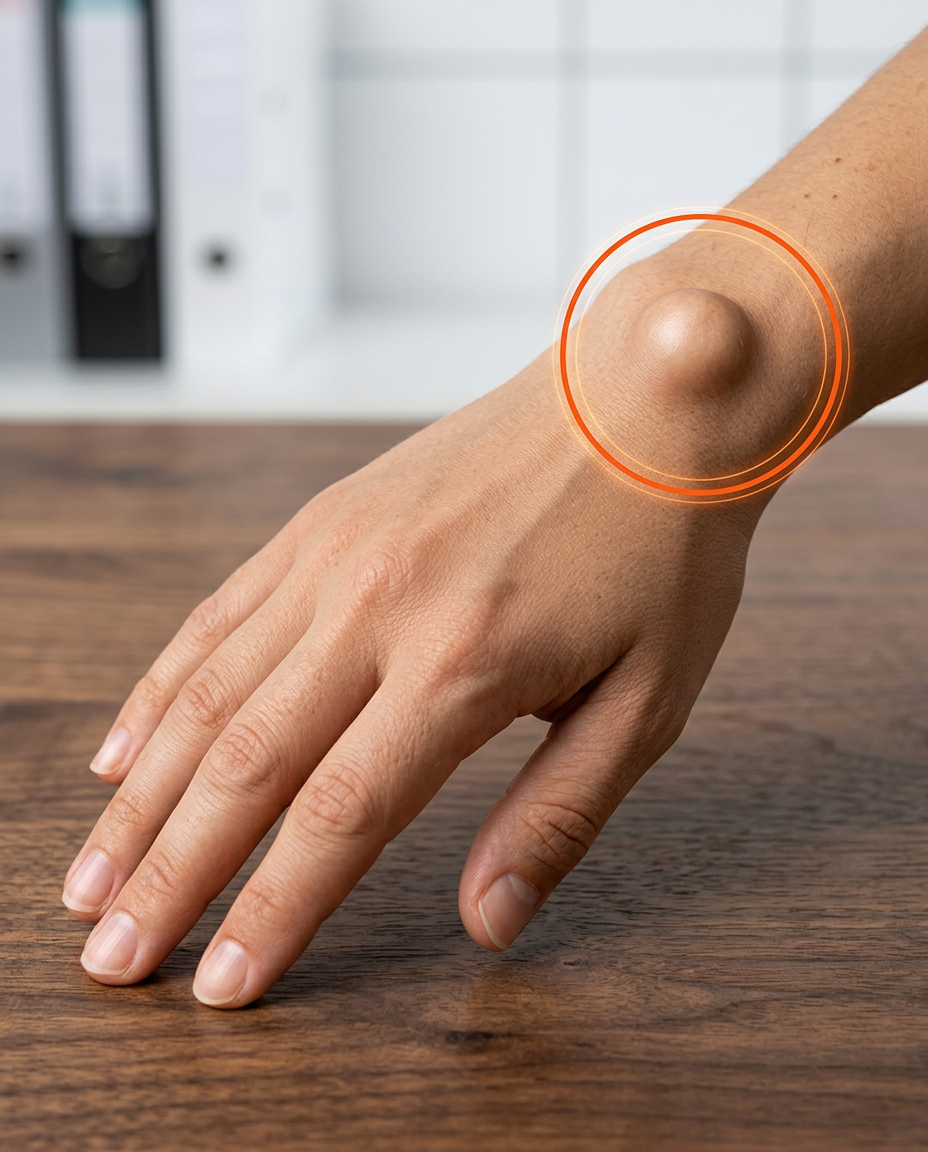
The most frequent explanation for such a growth is a ganglion cyst. This is a benign, noncancerous swelling that commonly forms along the tendons or joints of the wrist or hand. These cysts contain a thick, jelly-like fluid and typically measure between one and three centimeters. They are usually round or oval and feel either firm or slightly rubbery. Medical experts believe these cysts develop when synovial fluid leaks from a joint or tendon sheath and collects in a sac. While the exact cause remains unclear, they are most common in women and adults between the ages of 20 and 40.
Ganglion cysts often present as a visible bump that may fluctuate in size over time. They are usually painless, but discomfort can arise if the cyst presses against nearby nerves or joints. The overlying skin typically remains smooth, and the lump can occasionally move slightly under the skin. Sometimes, the cyst may limit joint motion or cause a dull ache, particularly when near the wrist joint, and may swell further after repetitive activity.
Although ganglion cysts are the leading cause, other possibilities exist. Lipomas, which are soft, fatty growths under the skin, are generally harmless. Bone spurs—bony projections linked to arthritis—can also create a lump-like sensation. In less frequent cases, the growth could be a rheumatoid nodule associated with arthritis, an abscess caused by an infection, or, in rare instances, a tumor. Because of these possibilities, professional medical evaluation is essential.
While most wrist lumps are not emergencies, certain warning signs demand immediate attention. If you experience severe pain, redness, localized warmth, or fever, these may indicate an infection. Rapid growth, intense pain that inhibits movement, or sudden numbness in the hand are also signs that should not be ignored.
When you visit a physician, they will typically begin with a physical exam to assess the size, texture, and position of the lump. They may utilize imaging tests like X-rays, ultrasound, or MRI scans to visualize the interaction between the lump and surrounding tissues. In some cases, a doctor may perform aspiration, using a needle to withdraw the fluid. Clear, gel-like fluid usually confirms a diagnosis of a ganglion cyst. If there is any uncertainty, a biopsy may be performed to analyze the tissue more thoroughly.
Treatment depends entirely on the cause and severity of the growth. For many ganglion cysts, doctors recommend watchful waiting, as some resolve on their own. If the cyst grows painful or restricts movement, aspiration can relieve pressure by draining the fluid. If the cyst persists or returns, surgical removal may be necessary. This outpatient procedure removes both the cyst and its root connection to the joint. Although recurrence is possible—happening in up to 30 percent of cases—the long-term outlook for benign wrist lumps is generally very positive.
For those managing a benign cyst at home, a wrist splint can limit movement and reduce irritation. However, you should never attempt to puncture or squeeze the lump yourself, as this significantly increases the risk of infection. Ice packs or over-the-counter pain relievers may manage minor discomfort, but you should always consult a healthcare provider before starting any treatment. When at the clinic, ask your doctor about the most likely cause, whether further testing is needed, and which specific symptoms would necessitate an urgent follow-up. This proactive approach will provide you with the clarity needed to make informed decisions about your health.