Nutritional Strategies for Stronger Nails and Reduced Ridging
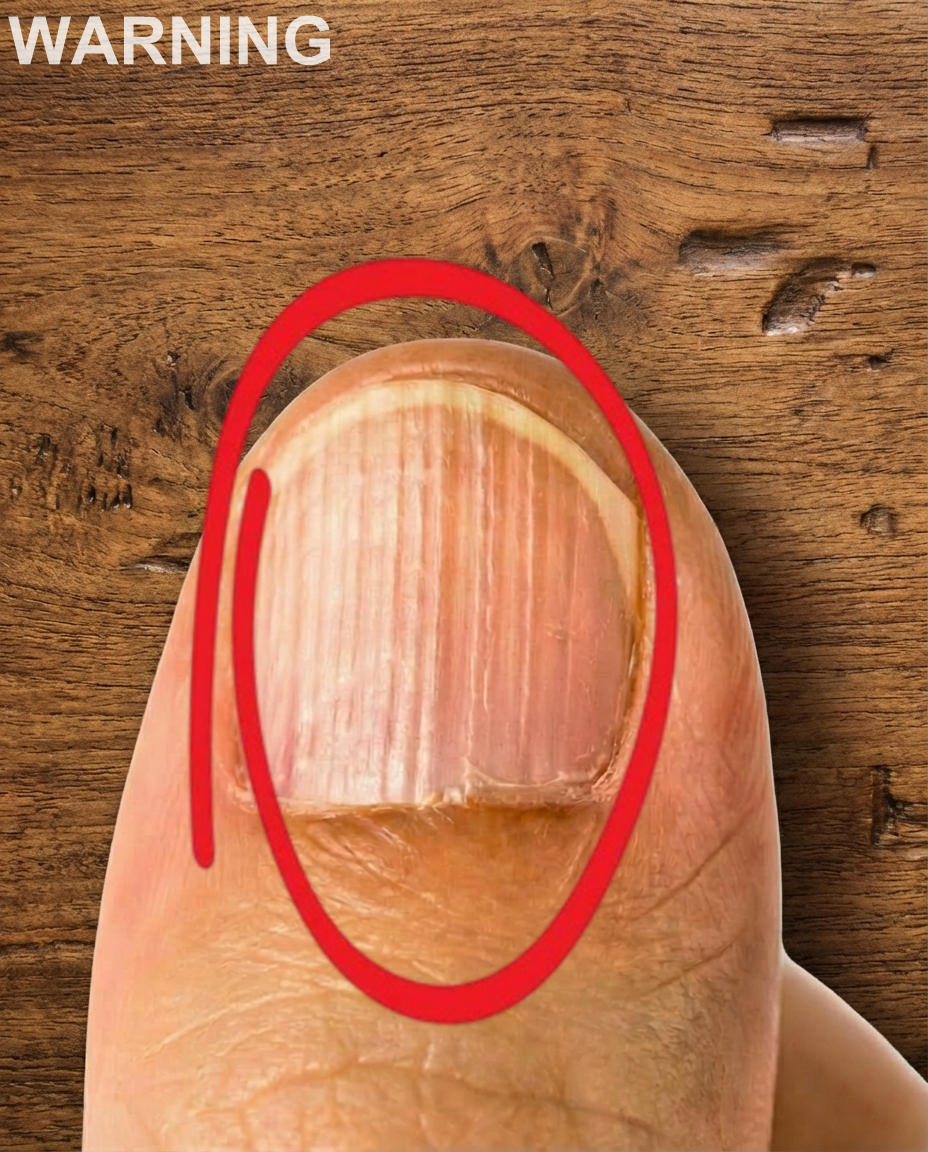
Vertical ridges on the nails are a common sight, particularly as we age. In many instances, these lines are harmless and simply a natural result of the aging process. However, when these ridges become more prominent, brittle, or are accompanied by changes in nail color or texture, they may serve as a signal of nutritional imbalances within the body. Because nails are a reflection of your overall health, adjusting your diet is one of the most effective ways to encourage strength and a smoother appearance.
The foundation of strong, healthy nails is protein. Since nails are primarily composed of keratin, a lack of dietary protein can cause them to become thin, weak, and susceptible to splitting or ridging. To support continuous keratin production and maintain nail resilience, ensure that you include a high-quality source of protein at every meal.
Biotin, also known as Vitamin B7, is perhaps the most well-known nutrient for supporting nail health. While supplements are often marketed for this purpose, most people can obtain adequate amounts through a balanced diet. Biotin plays a critical role in supporting the structure of keratin, which helps nails grow thicker and reduces the fragility that often leads to ridges. Excellent sources of biotin include fully cooked eggs, almonds, walnuts, sweet potatoes, spinach, and salmon.
Iron is another essential mineral; a deficiency can lead to thin, brittle nails or, in more severe cases, a condition known as koilonychia, where nails become spoon-shaped. While a vertical ridge by itself does not necessarily indicate an iron deficiency, persistent weakness or fatigue paired with changes in your nails should be monitored. To increase your iron intake, incorporate lean red meat, chicken thighs, lentils, chickpeas, pumpkin seeds, and dark leafy greens into your diet. For those relying on plant-based iron, pairing these foods with vitamin C-rich options like citrus fruits or bell peppers will significantly improve mineral absorption.
Zinc is vital for cell growth and repair. A deficiency in this mineral can contribute to various nail abnormalities, including white spots or ridges. Because the human body does not store zinc efficiently, it is important to include it in your daily diet. Good sources include oysters, beef, cashews, sunflower seeds, and whole grains.
Omega-3 fatty acids are also important for maintaining the health of the nail bed. Dry, brittle nails often make ridges appear more pronounced, but omega-3s help support hydration and reduce inflammation. You can boost your intake by consuming fatty fish like salmon, sardines, and mackerel, as well as chia seeds, flaxseeds, and walnuts. These healthy fats also improve circulation, which ensures that essential nutrients are delivered more effectively to the nail matrix.
Finally, hydration plays a key role in nail elasticity. Dehydration can exacerbate dryness, making ridges more visible. Be sure to drink enough water throughout the day and eat hydrating foods such as cucumbers, oranges, and watermelon.
While nutritional improvements can lead to healthier nails over time, it is important to know when to seek medical advice. Sudden changes in your nails, such as deep horizontal ridges known as Beau’s lines, dark streaks, or persistent pain, should be evaluated by a healthcare professional. These symptoms may point to underlying medical conditions rather than simple nutritional gaps. Keep in mind that nails grow slowly, so if you are working to improve their health through diet, be patient—visible results may take several months of consistent care.