State-Mandated Conformity and Social Control in North Korea
When discussing unusual customs globally, North Korea is frequently cited due to the extreme degree of state control exerted over daily life. Among the most discussed practices are the highly organized public inspections and evaluations that shape the lives of its citizens.
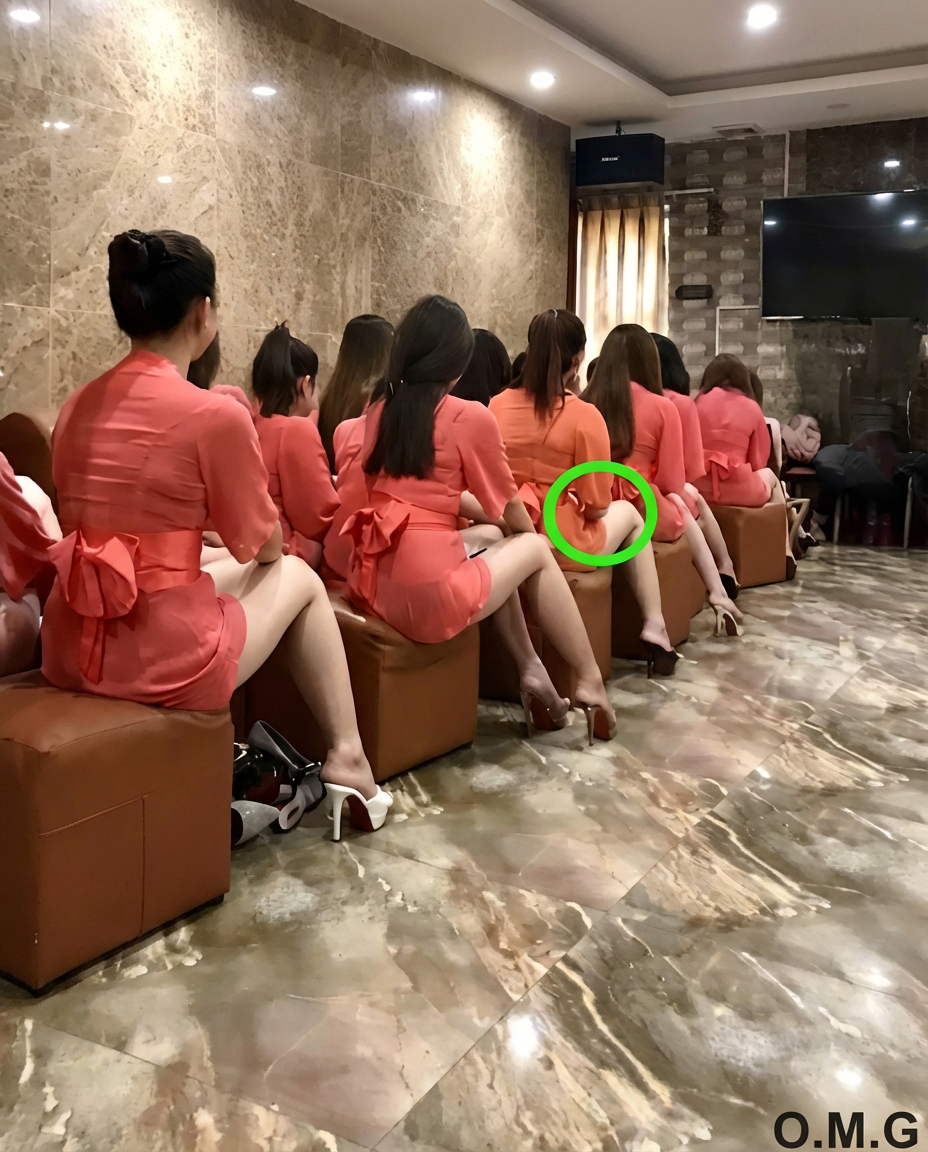
According to reports from defectors and international researchers, groups of young women, often including students or candidates for state positions, are subject to mandatory health and eligibility checks. These assessments extend far beyond basic physical wellness, as their results can directly influence job assignments, participation in significant state events, and overall educational or career prospects. In a system where individual agency is limited, such personal evaluations serve as a mechanism that dictates one’s future trajectory.
The government places a critical emphasis on discipline and visual uniformity. This requirement is most visible during massive public demonstrations, such as the Arirang Mass Games, where thousands of participants perform in flawless synchronization. Such uniformity acts as a powerful symbol of loyalty to the state, reinforcing the concept that collective identity must always take precedence over individuality. This focus on coordination serves the dual purpose of maintaining social order and projecting total control to both domestic and international audiences.
These practices are deeply embedded in the Songbun system, a socio-political classification framework that determines an individual’s status and opportunities based on their perceived loyalty to the regime. Within this rigid environment, one’s appearance, behavior, and family background are constantly monitored to define their role in society.
While some observers might compare these practices to organized public health initiatives, human rights organizations point to significant areas of concern. These include the severe lack of personal freedom, the immense pressure on individuals to conform to state expectations, and the total absence of transparency from government authorities. Because information flowing out of North Korea is strictly managed by state officials, much of the international understanding of these procedures relies on personal testimonies from defectors and academic research rather than official confirmation.
Ultimately, these so-called customs are not merely isolated traditions but are fundamental components of a broader system of structure and control. They offer a window into how life functions within one of the world’s most isolated societies, where the preservation of the collective image is consistently prioritized over personal choice and individual human rights.