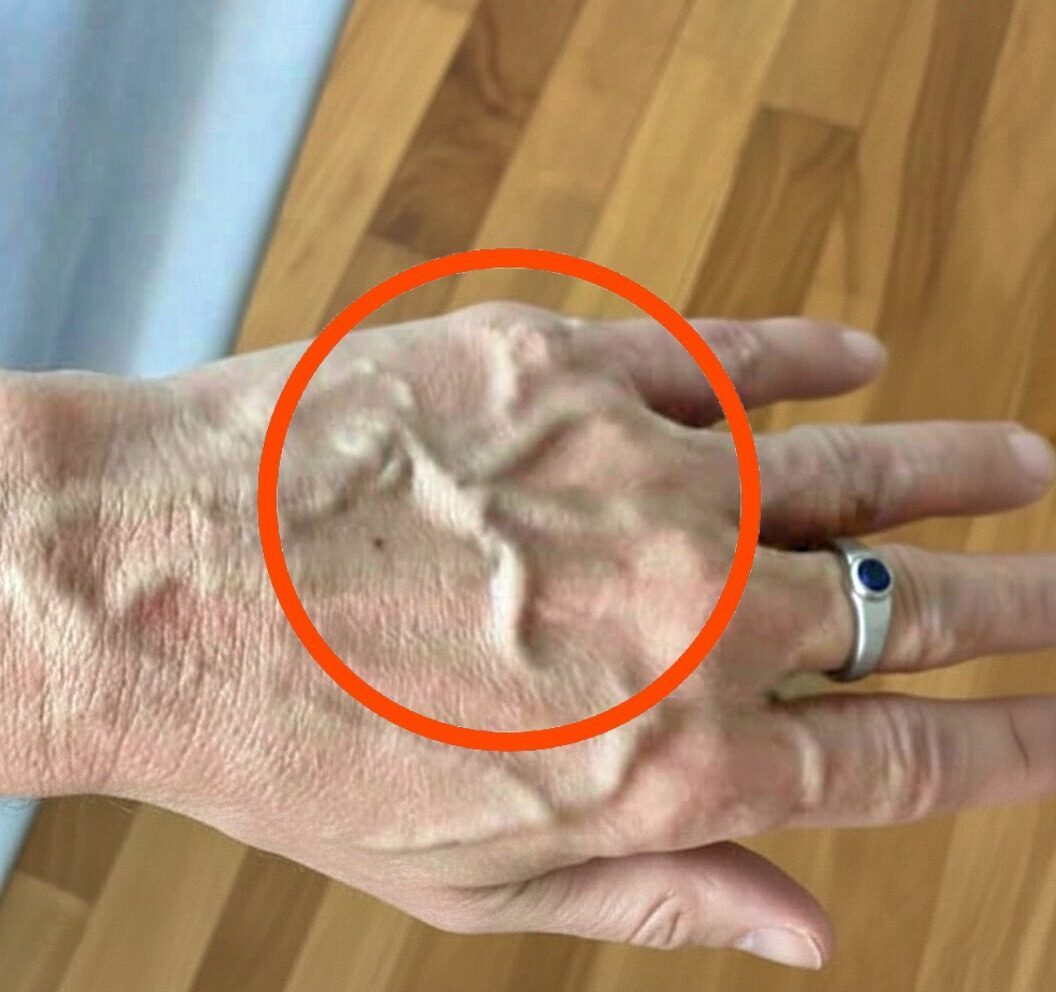
Understanding Why Your Veins Become Visible
Many people notice that their veins suddenly become more prominent, but what does this change actually mean for your health? While the appearance of visible veins is often a harmless physical response to external factors, there are times when it can serve as an early warning sign of an underlying medical issue.
There are several natural reasons why your veins may become more visible. One of the most common is low body fat. As the layer of subcutaneous fat thins, the veins beneath the skin are no longer masked, making them appear closer to the surface. Physical activity is another primary driver; during exercise, increased blood flow causes veins to dilate, and with consistent weight training, muscle growth can physically push veins toward the surface of the skin. Environmental factors, such as hot weather, also play a significant role as the body dilates blood vessels to assist in cooling. Furthermore, natural aging causes the skin to lose elasticity and thin, making underlying veins more apparent, while hormonal fluctuations during pregnancy or menopause can affect circulation and vessel appearance.
However, certain situations warrant medical attention. You should be concerned if new, bulging, or twisted veins appear suddenly for no discernible reason, as this may indicate a circulatory problem. If the vein is accompanied by symptoms such as pain, tenderness, swelling, or localized warmth, it could be a sign of phlebitis (vein inflammation) or, more seriously, deep vein thrombosis (DVT), which requires immediate medical intervention.
Other red flags include veins that feel hard or rope-like, which may suggest the presence of a superficial blood clot, or skin changes near the vein such as discoloration, persistent itching, or the formation of ulcers. These symptoms can be indicators of chronic venous insufficiency, a condition where the valves in the veins struggle to return blood to the heart effectively, leading to pooling. Though rare, the sudden appearance of vein patterns on the chest or abdomen can sometimes signal serious internal conditions, including liver disease or malignancy.
You should consult a healthcare provider if your veins have appeared suddenly, are painful or inflamed, or if you are experiencing additional symptoms like leg fatigue, cramping, or persistent swelling. While most visible veins are not dangerous and are simply a reflection of your body adapting to environment or lifestyle changes, listening to these signals is vital. When in doubt, a professional medical evaluation can provide either peace of mind or the benefit of early diagnosis and treatment.