How to Identify and Prevent Indoor Slug Infestations
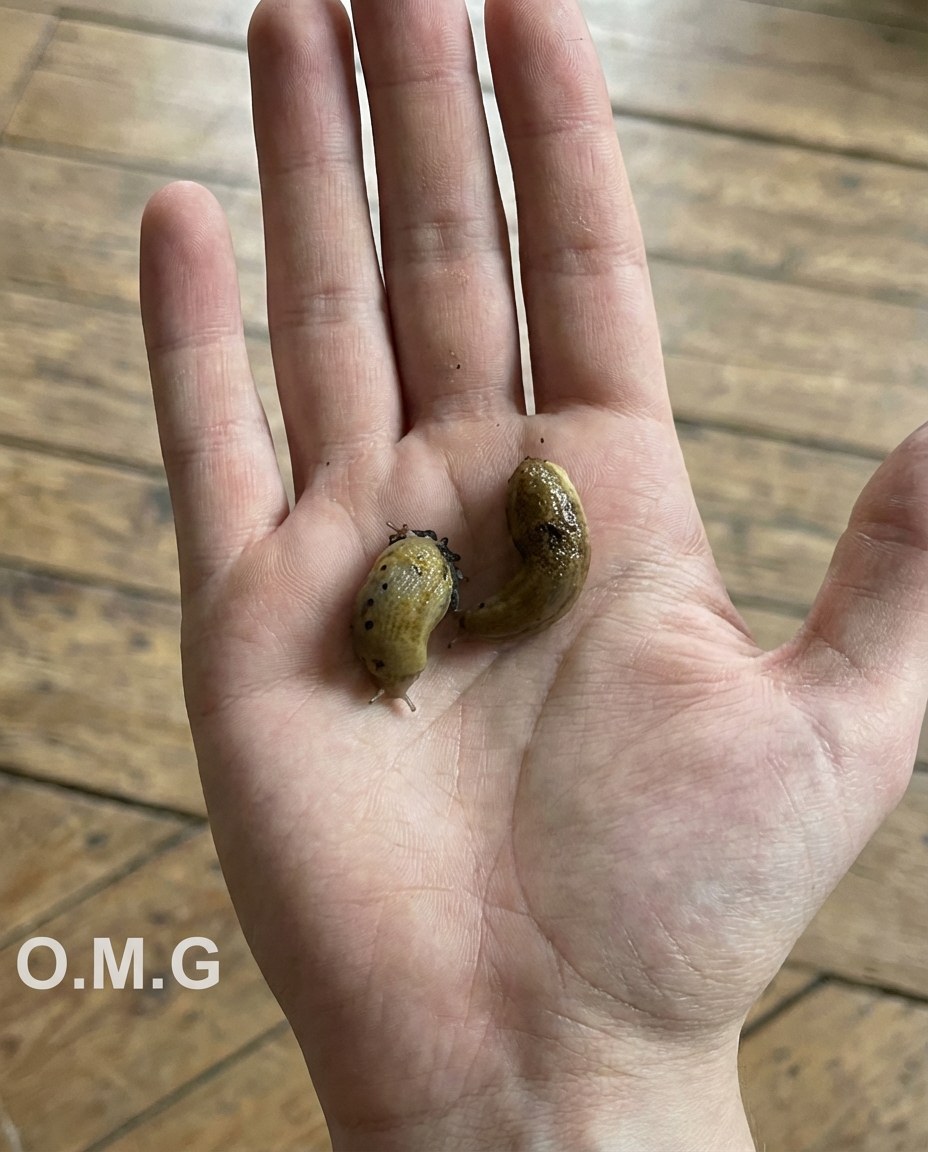
Finding slugs inside your home can be an unsettling experience. These creatures move silently, leave behind telltale slimy trails, and often emerge under the cover of darkness. While slugs are generally harmless, their presence indoors is rarely a random occurrence. If you find them repeatedly appearing in your living space, it is important to investigate, as your home may be signaling an underlying issue that requires attention.
Excess moisture is the primary reason slugs enter a home, as they are naturally drawn to damp, humid environments. Their appearance is a strong indicator that you may have hidden problems such as leaking pipes beneath sinks, damp basements, crawl spaces with poor ventilation, or persistent condensation around poorly sealed windows. If left unaddressed, this excess moisture can escalate into more significant problems, including the growth of mold, mildew, and structural decay. To mitigate this, prioritize fixing leaks, utilizing a dehumidifier, and ensuring that damp areas of the home have adequate airflow.
Slugs are remarkably adept at navigating tight spaces and do not require large openings to infiltrate your home. They can easily squeeze through tiny cracks, gaps beneath doors, or weathered spaces around window frames. To deter them, inspect your foundation for cracks, verify that your weather stripping is intact, and ensure all exterior-facing doors close tightly.
Environmental factors outside your house can also drive slugs toward your foundation. Periods of heavy rain, flooding, or intense humidity often force these creatures to seek shelter indoors. Additionally, landscaping choices can play a role. Mulch piled directly against the siding, dense vegetation touching the walls, or poor drainage around your home can create a bridge for slugs to reach your doors and windows. To correct this, improve your home’s perimeter drainage, move mulch away from the foundation, and keep garden plants trimmed back so they do not make contact with the structure of your house.
Food sources are another common attractant. Slugs feed on organic material, and even small amounts of neglected food can draw them inside. Regularly check for pet food left out overnight, unsealed trash bins, and debris such as fallen leaves trapped near entrances. Maintaining a clean floor and storing pantry items in airtight containers will significantly reduce the likelihood of attracting them.
Ultimately, instead of viewing slugs as a pest to be feared, consider them a natural indicator of an unbalanced home environment. Their presence is a nudge to address maintenance issues like moisture buildup, poor sealing, or drainage concerns. If you find a singular slug, it is typically an isolated event; however, frequent sightings mean it is time to take action. By resolving these small vulnerabilities, you not only eliminate the intruders but also protect your home and your health from the long-term effects of unchecked dampness and decay. When managing those you do find, avoid harsh chemicals. A more eco-friendly approach involves moving them outdoors manually, using copper tape near doorways, or simply keeping your surfaces dry and clean.