Managing and Preventing Edema in Older Adults
Swollen feet are a common concern for older adults. While mild puffiness can occasionally occur after long periods of standing or sitting, persistent or frequent swelling often signals underlying health issues. Understanding the causes and implementing effective prevention strategies is essential for maintaining comfort, mobility, and overall well-being as you age.
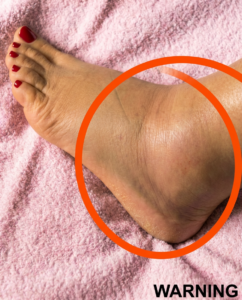
Swollen feet, medically referred to as edema, occur when excess fluid accumulates in the tissues of the lower legs and ankles. As the body ages, the circulatory system often becomes less efficient, making fluid retention more frequent. One of the primary culprits is poor circulation; when blood flow slows, fluid naturally settles in the lower extremities. This is particularly prevalent in individuals who remain sedentary for long periods.
Another common cause is chronic venous insufficiency, a condition where the leg veins struggle to effectively pump blood back to the heart. This leads to swelling, localized discomfort, and occasionally visible skin changes around the ankles. Furthermore, certain medications prescribed for high blood pressure, diabetes, inflammation, or hormonal imbalances can cause fluid retention as a side effect. In more serious instances, edema may indicate underlying conditions such as heart, kidney, or liver disease, where the body loses its ability to manage fluid balance effectively.
Several lifestyle factors can exacerbate the problem. A lack of regular physical activity slows circulation, while extended periods of sitting during travel or daily routines can contribute to gravity-induced swelling. Dietary habits also play a significant role. Diets high in sodium cause the body to retain water, which intensifies swelling in the feet and ankles. Additionally, carrying excess weight places increased pressure on the leg veins, further hindering effective circulation.
Fortunately, there are many proactive ways to manage and prevent this condition. Regular movement is one of the most effective interventions. Walking, gentle stretching, or light exercise improves circulation and encourages fluid to move throughout the body. Elevating the feet above heart level for fifteen to thirty minutes daily can also help drain fluid away from the lower legs.
Proper footwear is equally important. Shoes that fit well and offer adequate support reduce pressure on the feet. Many older adults find relief by using compression socks, which gently support the legs and assist blood flow back toward the heart. Dietary adjustments, such as reducing sodium intake and incorporating potassium-rich foods like bananas, avocados, and leafy greens, can help maintain a healthy fluid balance.
While occasional swelling is often manageable through lifestyle changes, professional medical advice should be sought if the swelling appears suddenly, becomes severe, or is accompanied by pain, redness, or shortness of breath. Regular health screenings are vital for older adults, as they allow doctors to identify and address underlying conditions before they become serious. By staying active, maintaining a balanced diet, and monitoring your circulation, you can effectively manage foot health and maintain an active, comfortable lifestyle.