Nutritional Strategies to Restore Smooth and Healthy Nails
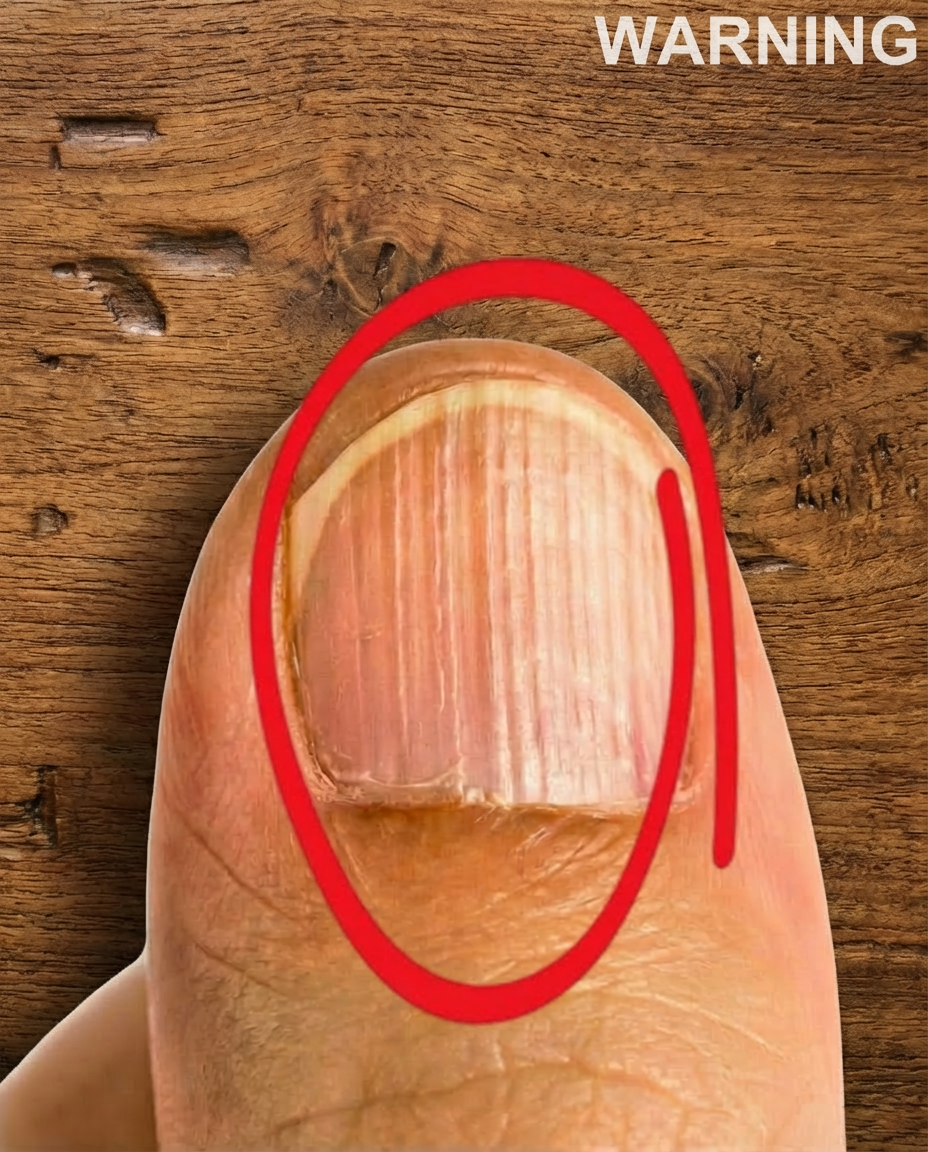
Vertical ridges on the nails are a common sight, particularly as we get older. In most instances, these lines are harmless and simply a natural result of the aging process. However, when these ridges become increasingly prominent, brittle, or are accompanied by changes in color or texture, they may signal underlying nutritional imbalances. Because your nails are a reflection of your internal health, what you eat plays a vital role in their strength and smoothness.
Protein: The Foundation of Strong Nails
Nails are composed primarily of a protein called keratin. If your diet lacks sufficient protein, your nails can become weak, thin, and more susceptible to splitting or developing ridges. To support continuous keratin production and maintain nail resilience, aim to include high-quality protein sources in every meal.
Biotin: The Nail-Strengthening Nutrient
Biotin, or Vitamin B7, is widely recognized for its contribution to nail health. Research indicates that biotin supplementation can help improve brittle nails, though many people can meet their needs through a balanced diet. Excellent sources of biotin include fully cooked eggs, almonds, walnuts, sweet potatoes, spinach, and salmon. By supporting the structure of keratin, biotin helps nails grow thicker and less prone to fragility-related ridging.
Iron: Preventing Weak or Grooved Nails
Iron deficiency can lead to thin nails and, in severe cases, a condition called koilonychia, where nails develop a spoon-like shape. While vertical ridges do not automatically indicate an iron deficiency, persistent nail weakness combined with fatigue warrants a conversation with a healthcare provider. You can incorporate iron into your diet through lean red meat, chicken thighs, lentils, chickpeas, pumpkin seeds, and dark leafy greens. To improve the absorption of iron from plant-based sources, pair these foods with vitamin C-rich options like citrus fruits or bell peppers.
Zinc: Supporting Growth and Repair
Zinc is essential for cellular growth and repair. A deficiency in this mineral may contribute to various nail abnormalities, including white spots or ridges. Because the body does not store zinc efficiently, it is important to include it in your diet consistently. Good sources include oysters, beef, cashews, sunflower seeds, and whole grains.
Omega-3 Fatty Acids: Improving Moisture and Flexibility
Ridges often appear more noticeable when nails are dry and brittle. Omega-3 fatty acids help maintain hydration in the nail bed and reduce inflammation. You can increase your intake of these healthy fats through fatty fish like salmon, sardines, and mackerel, as well as chia seeds, flaxseeds, and walnuts. These fats also promote better circulation, ensuring that essential nutrients reach the nail matrix effectively.
Stay Hydrated
Dehydration can worsen nail dryness and exaggerate the appearance of ridges. Drinking sufficient water daily and consuming hydrating foods like cucumbers, oranges, and watermelon helps support the overall elasticity of both your skin and nails.
When to See a Doctor
While dietary improvements can enhance nail health over time, certain changes require medical attention. If you notice sudden, deep horizontal ridges known as Beau’s lines, dark streaks, or painful nail changes, you should consult a healthcare professional. These symptoms may point to underlying medical conditions rather than simple nutrient gaps.
The Bottom Line
Achieving smooth, healthy nails begins from within. By prioritizing protein, biotin, iron, zinc, omega-3 fatty acids, and proper hydration, you provide your body with the building blocks it needs to maintain nail integrity. Because nails grow slowly, visible improvements may take several months of consistent nutrition and healthy habits, but patience will lead to stronger, smoother, and more resilient nails.