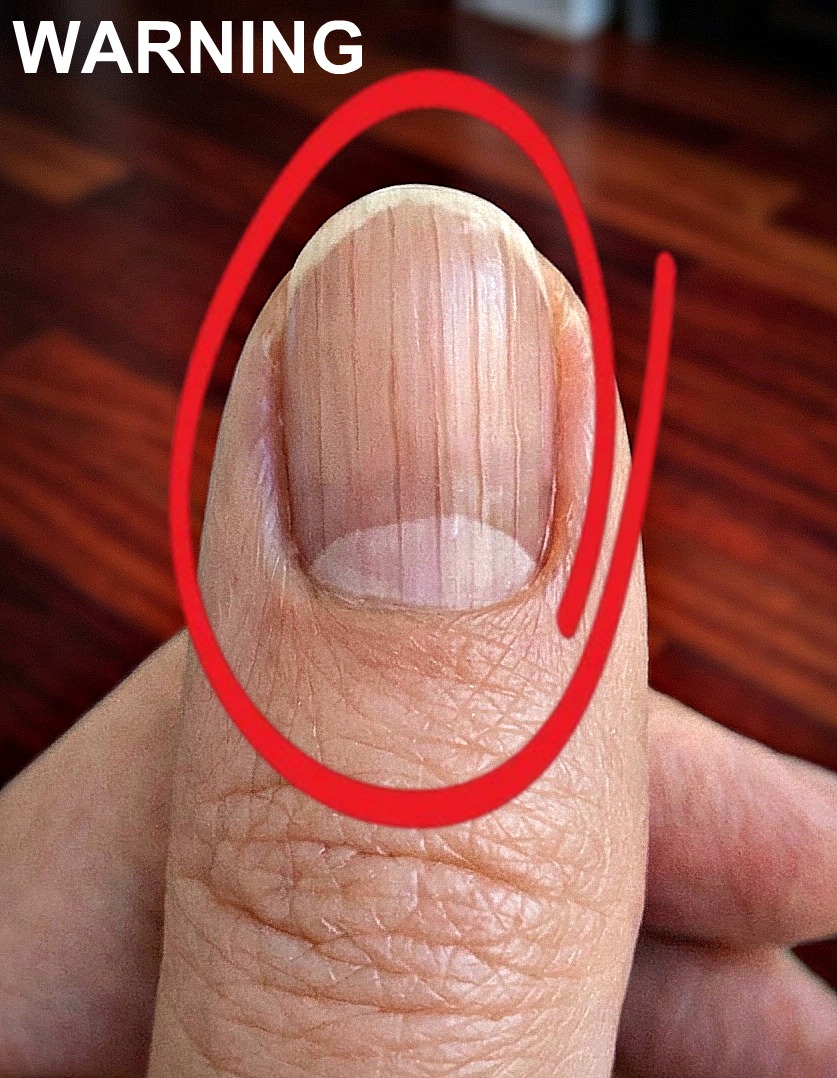
A Guide to Understanding and Improving Vertical Nail Ridges Through Nutrition
Understanding Vertical Nail Ridges: Causes and Nutritional Solutions
Vertical ridges on the nails are a common concern, particularly as we age. In the vast majority of cases, these lines are completely harmless and serve as a natural byproduct of the aging process. However, when these ridges become increasingly prominent, brittle, or are accompanied by shifts in nail color or texture, they may be signaling a deeper nutritional imbalance.
Because your nails are primarily composed of keratin—a structural protein—the foundation of nail health begins with your diet. By optimizing your intake of specific nutrients and maintaining proper hydration, you can significantly improve the strength, resilience, and appearance of your nails.
Key Nutrients for Healthier Nails
1. Protein: The Foundation
Since keratin production relies on adequate protein, a deficiency often results in thin nails that are prone to splitting or developing ridges. To support continuous keratin synthesis, aim to include a high-quality source of protein at every meal.
2. Biotin (Vitamin B7)
Often cited as the gold standard for nail health, biotin strengthens the keratin structure. While many people can obtain sufficient amounts through a balanced diet, ensuring consistent intake helps the nails grow thicker and reduces fragility that can lead to ridging.
3. Iron
Low iron levels can lead to thin, brittle nails or even spoon-shaped nails (known as koilonychia). If you notice persistent nail weakness, especially when paired with feelings of fatigue, it may be worth checking your iron levels with a healthcare provider. To boost the absorption of plant-based iron, pair these foods with vitamin C–rich options like bell peppers or citrus fruits.
4. Zinc
Zinc is essential for cellular growth and repair. Because the body does not store zinc efficiently, regular consumption is necessary. A deficiency can often manifest as ridges or white spots on the nail surface.
5. Omega-3 Fatty Acids
Dry, brittle nails tend to exaggerate the appearance of ridges. Omega-3 fatty acids, found in fatty fish like salmon, sardines, and mackerel, help hydrate the nail bed and reduce inflammation. These healthy fats also improve circulation, ensuring that vitamins reach the nail matrix effectively.
The Importance of Hydration
Dehydration can exacerbate dryness, making nail ridges more noticeable. Maintaining adequate water intake throughout the day—complemented by hydrating foods like watermelon, cucumbers, and oranges—supports better skin and nail elasticity.
While dietary changes are a powerful tool for improving nail health, remember that significant changes in nail appearance should always be monitored. If you notice concerning symptoms that persist despite a healthy lifestyle, consulting a medical professional is the best way to address potential underlying issues.
