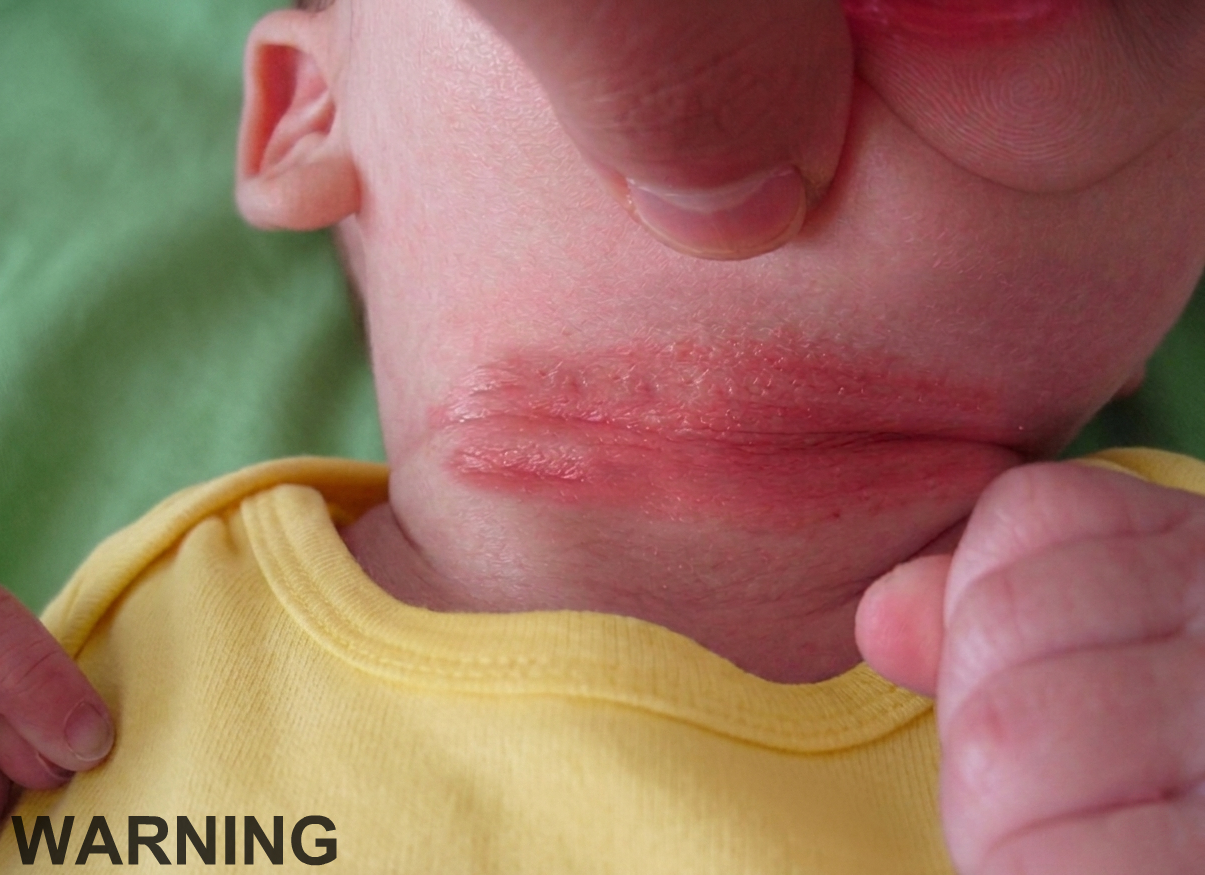
Understanding Skin Folds in Infants: When to Be Concerned About Redness
As a parent, noticing any change in your baby’s skin can be an immediate cause for concern. One of the most common sights that catches a parent’s eye during a routine diaper change or bath is redness, irritation, or chafing deep within the skin folds—particularly around the neck, thighs, and armpits. While these areas are prone to moisture and friction, understanding the difference between normal skin behavior and signs that require extra attention is essential for your peace of mind.
The primary reason these areas become irritated is the accumulation of moisture. In infants, especially those who are very young, skin folds are deep and frequently come into contact with saliva, milk, sweat, or even residual moisture from a bath. Because these folds do not get much airflow, they become a perfect environment for friction and trapped dampness. This is often referred to as intertrigo, a common inflammatory condition that occurs where skin rubs against skin. In many cases, this is a temporary issue that resolves with simple hygiene adjustments.
So, how can you tell if the redness is something that needs a doctor’s visit? Generally, if the redness is mild, appears after a period of high heat or after a feeding where milk may have dripped into the neck folds, and disappears quickly once the area is cleaned and dried, it is likely just a reaction to moisture. Keeping these areas clean and gently patting them dry after every bath is the best first line of defense. Avoid harsh soaps or scented lotions, as these can further irritate the delicate, compromised skin barrier.
However, there are signs that indicate the skin needs more than just a gentle cleaning. If the redness is accompanied by a distinct, unpleasant odor, if the skin appears raw, weeping, or cracked, or if you notice small, satellite red bumps spreading outside the main fold, it may indicate a secondary infection. Yeast and bacteria thrive in warm, moist, dark environments. If the redness does not improve within a few days of keeping the area dry and clean, or if your baby seems irritable and uncomfortable when you touch the area, it is time to consult your pediatrician.
It is also important to consider environmental factors. Tight clothing, synthetic fabrics that do not breathe, or overheating can exacerbate these skin issues. Dressing your baby in loose-fitting, natural fibers like cotton can significantly improve airflow and reduce the friction that causes the initial irritation. Furthermore, always ensure that after a bath, you are gently lifting the folds to ensure they are completely dry before dressing your child.
Ultimately, while these skin signs are common and often harmless, they serve as a reminder of how delicate an infant’s skin is. You know your baby best; if the appearance of the skin changes rapidly, if the redness seems to be spreading, or if you are simply worried about the level of discomfort your child is experiencing, there is no harm in seeking professional medical advice. A quick check-up can provide you with the right guidance, whether it involves a specific barrier cream or simply a change in your daily routine, ensuring your baby stays comfortable and healthy.