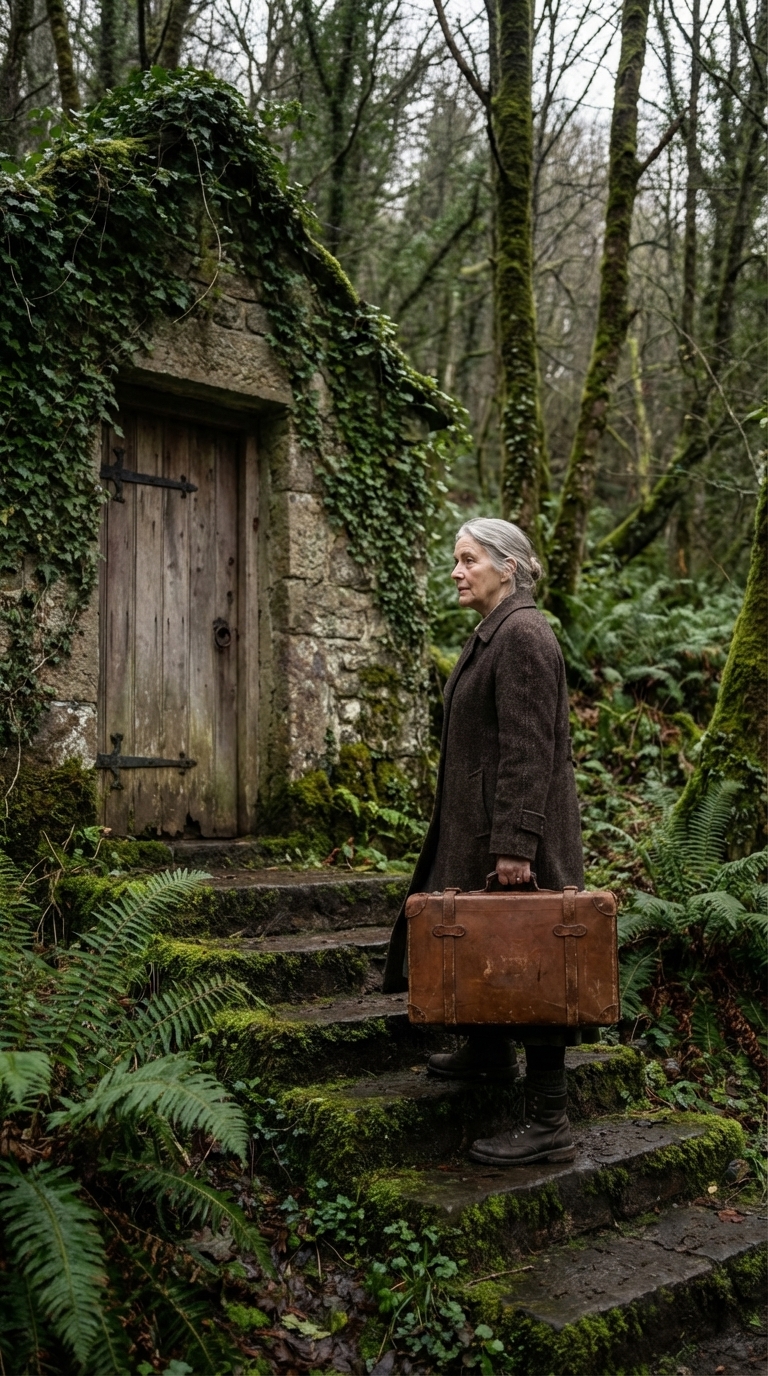
The Sanctuary of the Abandoned Legacy
Mary Elizabeth Sullivan stood before the house that had served as her sanctuary for twenty-three years, shivering as the autumn air bit at her skin. At seventy-five, she had expected to spend her twilight years surrounded by the love of the children she had sacrificed everything to raise. Instead, she stood on the curb with nothing but a single worn suitcase, watching as her own son, Robert, and daughter, Sarah, finalized the arrangements to clear out her belongings. To them, she was no longer a mother, but a logistical burden to be discarded.
The landlord had passed away months earlier, and his daughter had immediately sold the property, leaving Mary with no lease and no protection. When she asked for help, her children remained cold and distant, dismissing her plight with talk of busy schedules and the necessity of a managed care facility. They treated her life, built on decades of labor and unconditional love, as if it were already over. When she refused their ultimatum, they scoffed, viewing her resistance as an inconvenience that had to be handled before the new owners arrived.
Determined to maintain the last shred of her dignity, Mary turned toward the old, abandoned property that had belonged to her grandmother, Elena. It was a place her children had ridiculed for years, calling it a worthless, dilapidated ruin. As she began the long walk toward the looming basement structure, she heard their mocking laughter trailing behind her. They thought she was finally admitting defeat or losing her grip on reality by choosing a damp, dark cellar over their curated, sterile suggestions.
Mary did not look back. She arrived at the basement entrance, where a heavy, rusted lock had held the wooden door shut for fifty years. With grit earned through a lifetime of hardship, she forced the lock until it finally gave way with a sharp, metallic groan. The air inside smelled of dust, history, and secrets long kept. She descended into the dark, clicking on a flashlight to reveal the space her family had always dismissed as nothing.
In the corner sat an heavy oak trunk. When she threw open the lid, she did not find the fortune her children would have craved. Instead, she found a pristine wedding dress, never worn, accompanied by a collection of meticulously preserved letters. As she began to read, Mary realized these were not merely family correspondences. They were scandalous documents proving that her children’s own success—the money they flaunted and the social status they used to look down upon her—was built on a foundation of inheritance and theft tied directly to those who had betrayed her grandmother.
Armed with the proof, Mary walked back to the house where her children were waiting for their own ride. She pulled the letters from her bag and laid them out before them. As their eyes scanned the pages, the color drained from their faces. The truth about the family fortune they had claimed as their own, and the role their own ancestors had played in silencing Elena, was now public knowledge. The power dynamic shifted in an instant. The children who had stood tall with arrogance were suddenly brought to their knees, begging her to keep the secret.
Mary straightened her back, looking at the children who had once laughed at her descent into the shadows. She realized then that she did not need their approval or their pity. With the evidence in her hands, she held the leverage to ensure her own future, effectively turning the tables on those who had tried to erase her. She walked away from them not with sadness, but with the quiet, firm strength of a woman who had finally reclaimed her worth. She would never be defined by their cold indifference again.