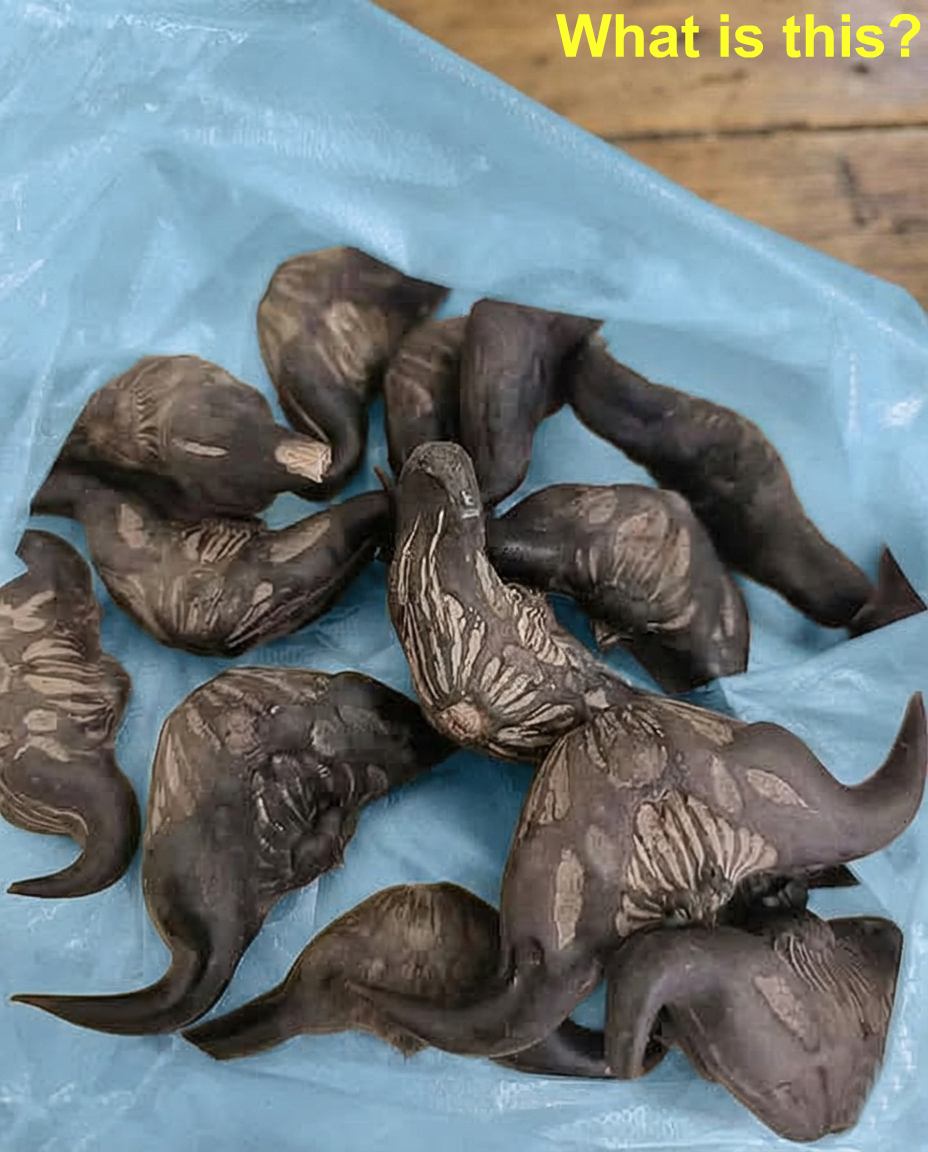
The Art of Embracing Unmarked Garden Gifts
There is something quietly charming about a neighbor handing you a bag of fresh food with no ceremony, no label, and no recipe. It is a simple, casual offering that captures the spirit of community. When you are faced with a bag of mysterious produce, that quiet gesture sparks curiosity. You find yourself wondering what you have been given, why it is so abundant, and how it is meant to be enjoyed.
These gifts typically arise from the natural rhythms of life. Home gardens, especially during the peak of the growing season, often produce far more than a single household can consume. Whether it is a bumper crop of zucchini, an armful of fresh herbs like basil or mint, or a tree heavy with ripening plums or citrus, the result is the same. Instead of letting the bounty go to waste, many gardeners prefer to share it. In some cases, the produce might be a staple from a different culture—a culinary tradition that is entirely familiar to the giver but a complete mystery to the recipient.
Regardless of what is inside the bag, these offerings should be viewed as an invitation rather than a chore. If you are unsure how to handle a mystery ingredient, there are several reliable ways to explore its potential.
The safest starting point is a simple taste test. Wash the item thoroughly and try a small piece raw to understand its natural texture and flavor profile. If that does not offer enough clarity, roasting is perhaps the most forgiving method. Tossing produce with olive oil, salt, and pepper and placing it in a hot oven almost always coaxes out a natural sweetness and improves the texture of even the most fibrous vegetables. Sautéing with aromatics like garlic or onions can turn an unfamiliar vegetable into a reliable side dish, while slow-cooking it in soups or stews allows the flavors to mellow and blend into something comforting.
If you are dealing with a large volume of produce, consider pickling. A quick soak in vinegar, water, salt, and a dash of sugar can extend the life of your gift by weeks and add a bright, acidic punch to your meals.
It is important to remember that these gifts come from a place of abundance, not obligation. Your neighbor likely does not expect you to be a master chef or to use the gift perfectly; they are simply sharing an excess to strengthen a connection. In an era where supermarkets have standardized and sterilized our food, a bag of unmarked produce acts as a gentle disruption. It invites you to slow down, to observe, and to engage with your food as something that was grown, not just manufactured.
These exchanges are the quiet currency of a neighborhood. They speak a language of care that transcends words, bridging differences in background and lifestyle. Once you figure out what is in the bag and how to prepare it, you often find yourself returning the favor with a finished dish or a bag of your own. That is how communities are built—one small, unexpected offering at a time. When a neighbor hands you something you don’t recognize, do not look at it as a puzzle meant to frustrate you. See it as an opening to learn, to experiment, and to reconnect with the simple, timeless logic of sharing.