The Secretive Strategy of Naturally Attaching Plant Seeds
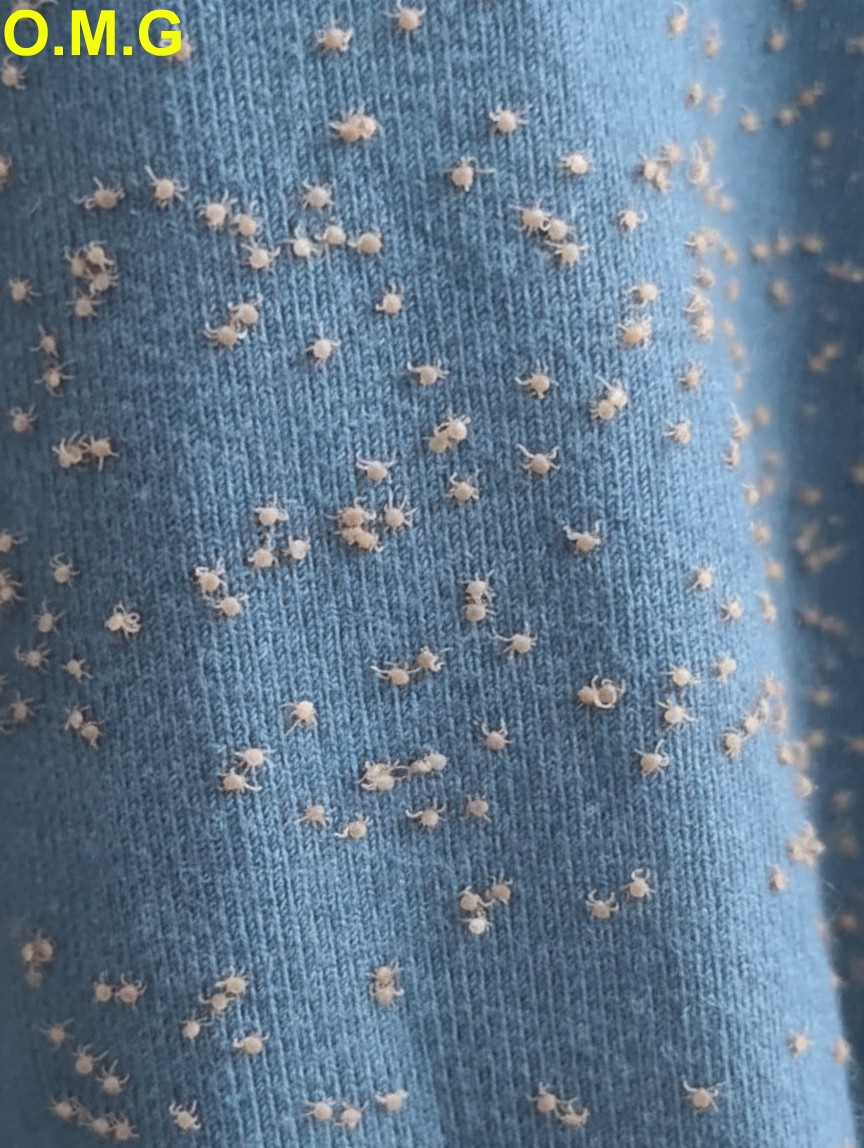
Have you ever enjoyed a peaceful stroll through a park, field, or trail, only to look down and find your pant legs covered in tiny, clingy debris? If you have, you are certainly not alone. It happens to the best of us: you return home from a walk and realize your jeans look like a magnet for mystery specks.
If you have ever wondered what those tiny hitchhikers actually are, the answer is surprisingly clever. Those small, clinging objects are almost certainly plant seeds, often referred to as burrs, stickseeds, or hitchhikers. Plants have evolved ingenious ways to spread their offspring far and wide. Instead of relying solely on the wind or on animals consuming their fruit, these species have developed specialized seeds designed to snag onto anything that brushes past them, including fur, feathers, and, quite frequently, your clothing.
If you look at these seeds under a magnifying glass, you will notice they are equipped with tiny hooks or barbs that function much like the hooks on a strip of Velcro. Others are coated in fine hairs or sticky, resinous substances that help them grip fibers. These evolutionary adaptations allow the seeds to catch a ride away from the parent plant, eventually dropping off in a new location to take root and grow.
Depending on your region, you are likely encountering one of several common hitchhiker plants. Beggar’s Lice, or tick trefoil, produces small, flat, Velcro-like seeds that seem to attach to everything. Burdock is well known for its large, round burrs covered in stiff hooks, which actually served as the inspiration for the invention of Velcro technology. Cleavers, often called Sticky Willy, feature soft, fuzzy green seeds that cling with ease, while sandbur and needle grass produce sharp, pointed burrs that can even penetrate socks. If your walk took you through tall grass, brush, or undergrowth, you almost certainly brushed against one of these opportunistic plants.
Removing these stubborn seeds from your clothing can be a chore, but there are effective ways to manage them. A lint roller or a piece of heavy-duty tape is often the best tool for gently lifting them from fabric. For larger or more persistent burrs, a fine-tooth comb or a pair of tweezers will usually do the trick. It is best to brush your clothes off while you are still outside to avoid scattering the seeds inside your home, where they could end up in your carpet. Once you are back indoors, it is a good idea to wash your clothes, as some seeds can remain firmly attached through multiple wears. Finally, if you were accompanied by a dog during your outdoor excursion, be sure to thoroughly check their fur for these hidden travelers as well.