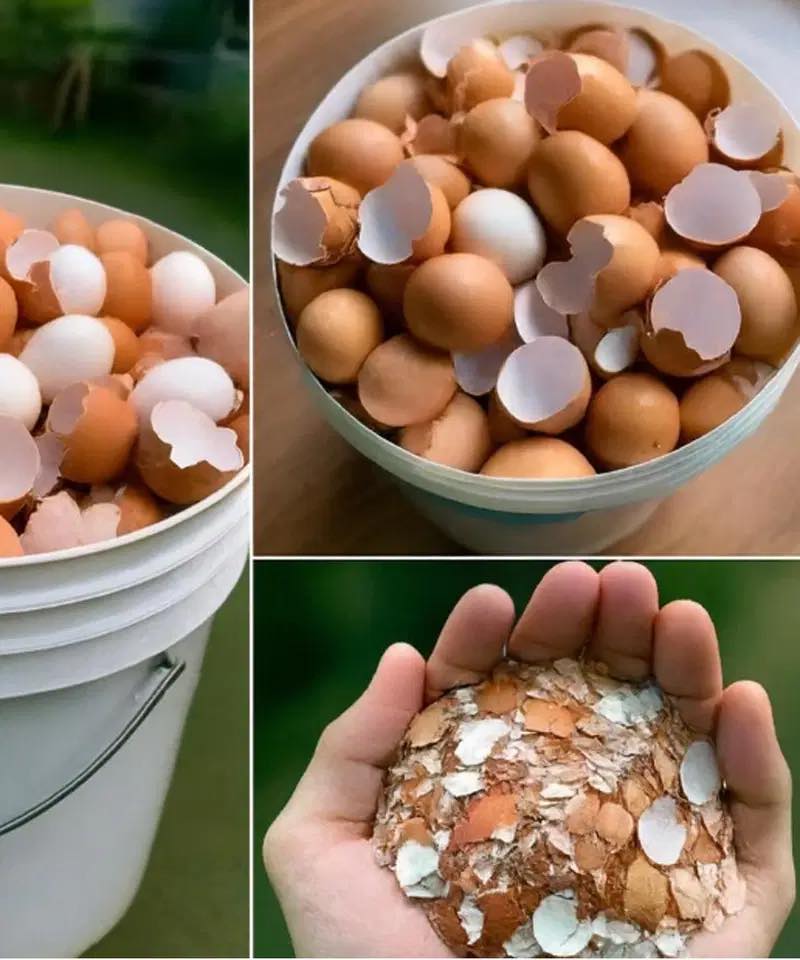
‘Don’t throw them away anymore. Boil eggshells and say goodbye to… See more'”
Can Boiling Eggshells Help With Disease? What’s The Truth?
In recent years, there has been growing interest in natural and sustainable ways to improve health and wellness. Among these trends, one that often circulates online is the belief that boiling eggshells can help prevent or treat disease. But how much of that is true? Let’s take a closer look at what science and nutrition actually say.
What Happens When You Boil Eggshells
Eggshells are composed of approximately 95% calcium carbonate, along with small amounts of protein and other trace minerals like magnesium and phosphorus. When you boil them, a few things happen:
* Bacteria, such as Salmonella, are destroyed, making the shells safe to handle or use.
* A small amount of calcium leaches into the water.
This is why “eggshell tea” or eggshell water is sometimes used as a natural calcium source for plants or, after proper preparation, as a supplement. While boiling makes eggshells cleaner and more useful, it does not turn them into medicine.
Can Boiling Eggshells Cure or Prevent Disease?
The short answer is no, not directly.
Boiling eggshells does not produce any substance that can fight viruses, bacteria, or other diseases in the human body. However, they can play an indirect role in supporting general health if used correctly.
Here is how:
1. A Natural Source of Calcium
Calcium is crucial for strong bones, healthy teeth, nerve signaling, and muscle function. A deficiency can lead to conditions like osteoporosis, brittle nails, and muscle cramps. By boiling, drying, and grinding eggshells into a fine powder, you can create a natural calcium supplement. This may help prevent problems associated with calcium deficiency, but it is not a cure for disease.
Important: Always ensure eggshells are properly sterilized and finely ground to avoid contamination or digestive issues. You should consult your doctor before using homemade supplements.
2. Reducing Waste and Supporting Sustainable Health
Using eggshells instead of throwing them away supports eco-friendly living. While this does not directly fight disease, reducing waste and living sustainably contributes to a healthier environment and overall well-being.
3. Healthier Plants, Healthier Food
Boiled eggshell water is often used as a natural fertilizer. The calcium from the shells strengthens plant cell walls, helping crops resist rot, pests, and fungal infections. Healthier plants produce more nutritious food, which indirectly supports human health. While eggshell water does not cure disease, it can help you grow nutrient-dense food that supports your immune system.
Common Myths About Boiled Eggshells
There are several misconceptions circulating online, such as:
* “Drinking eggshell water can cure arthritis or diabetes.”
* “Boiled eggshells detoxify your body.”
* “Eggshells can replace medicine.”
These claims are not supported by scientific evidence. Eggshells are rich in minerals, but they are not a substitute for medical treatment or a balanced diet.
Safe Ways to Use Boiled Eggshells
If you would like to take advantage of the natural benefits of eggshells, here are some safe, practical methods:
For a calcium boost:
* Rinse eggshells thoroughly to remove residue.
* Boil for 10 minutes to sterilize them.
* Dry the shells completely, either in direct sunlight or in an oven.
* Grind them into a fine powder using a blender.
* Store the powder in a clean jar and use small amounts (½ teaspoon per day) in smoothies or soups.
For plants:
* Boil crushed eggshells in water for 10–15 minutes.
* Let the mixture cool, strain it, and use it to water your plants. This provides calcium and helps balance soil acidity.